Breed Library
Species & Breeds
Browse breed profiles, compare options, and use Breed Finder to match your lifestyle.
Breed Listing
50 random picks (198 total)
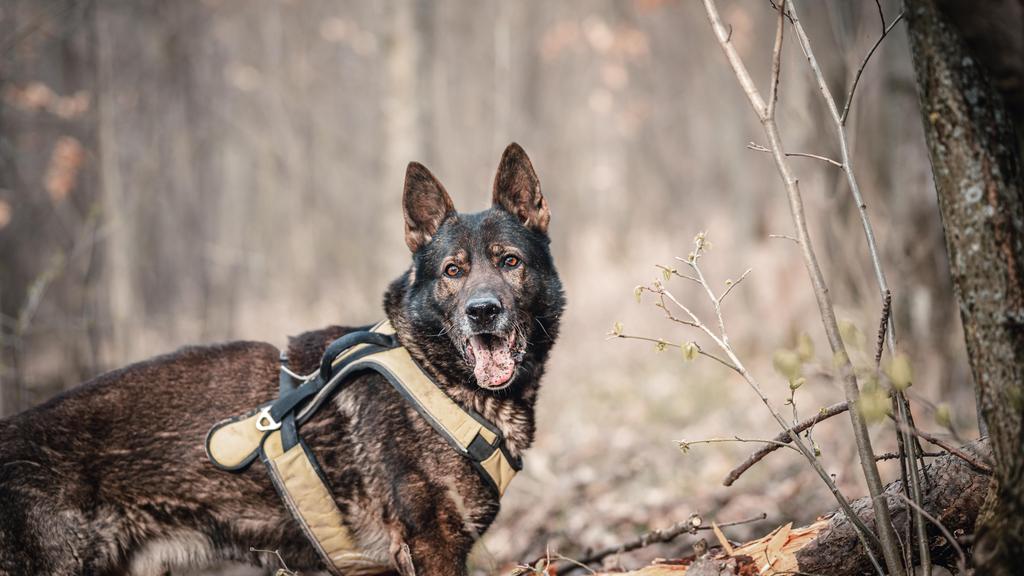
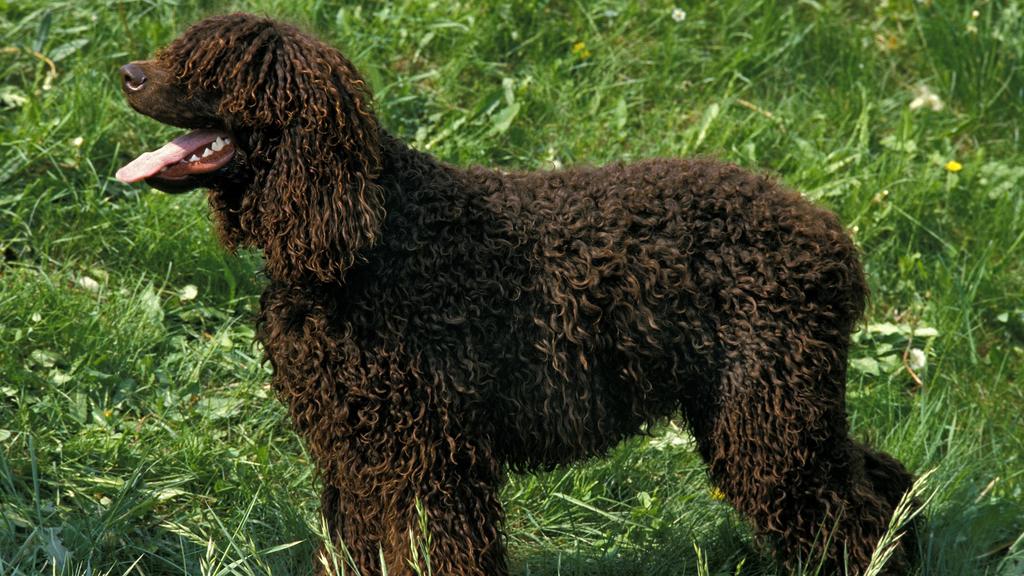
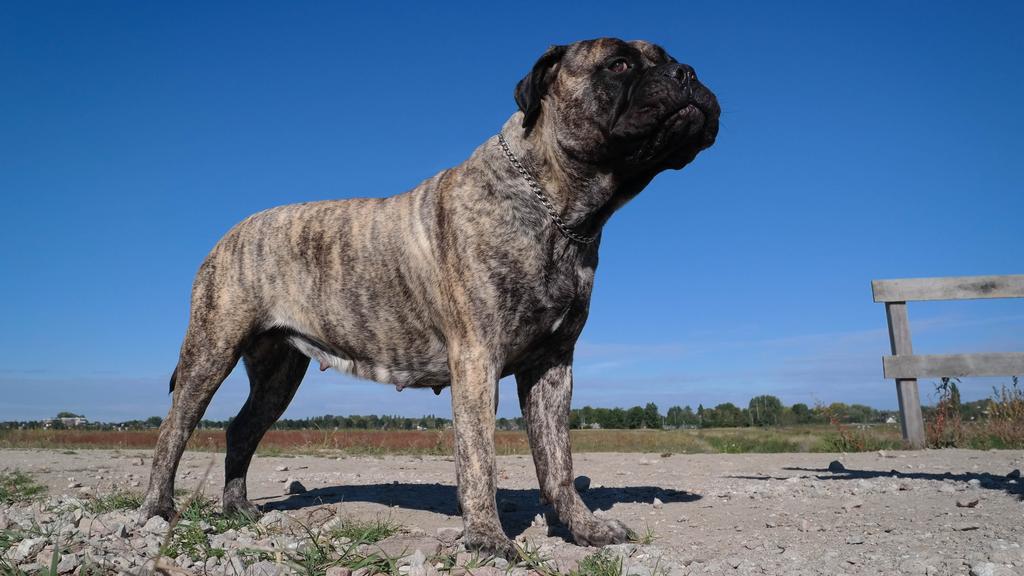
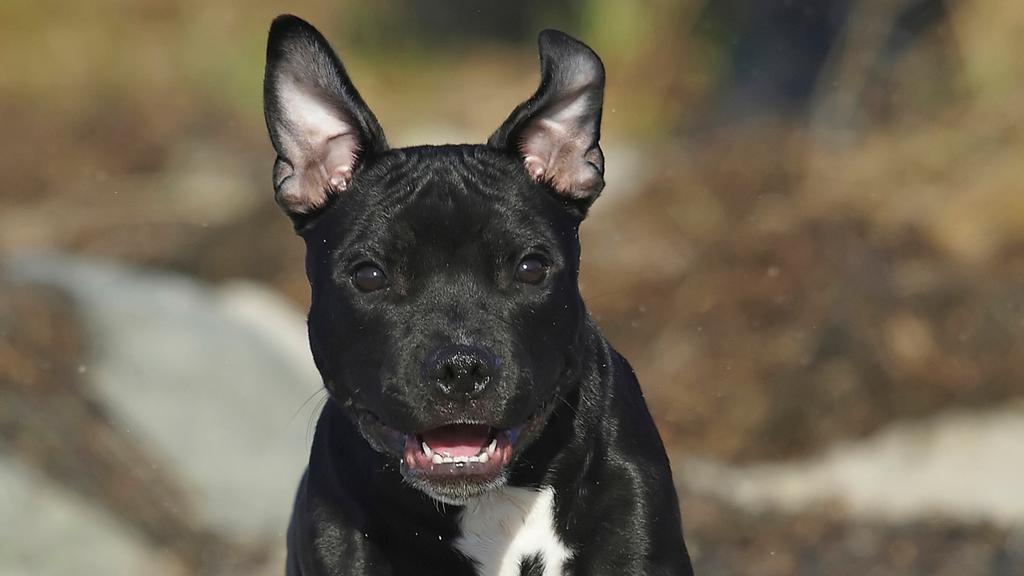
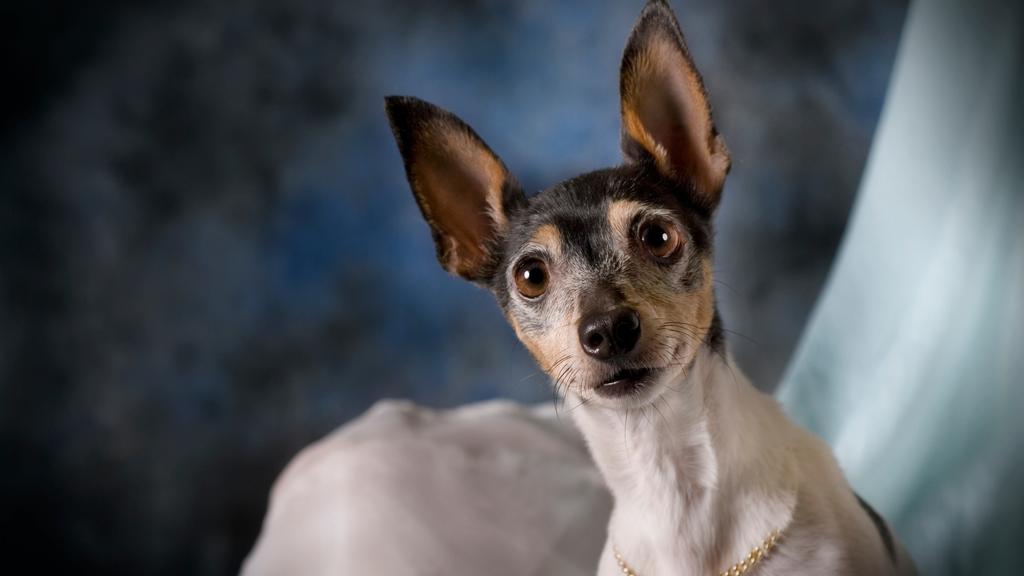
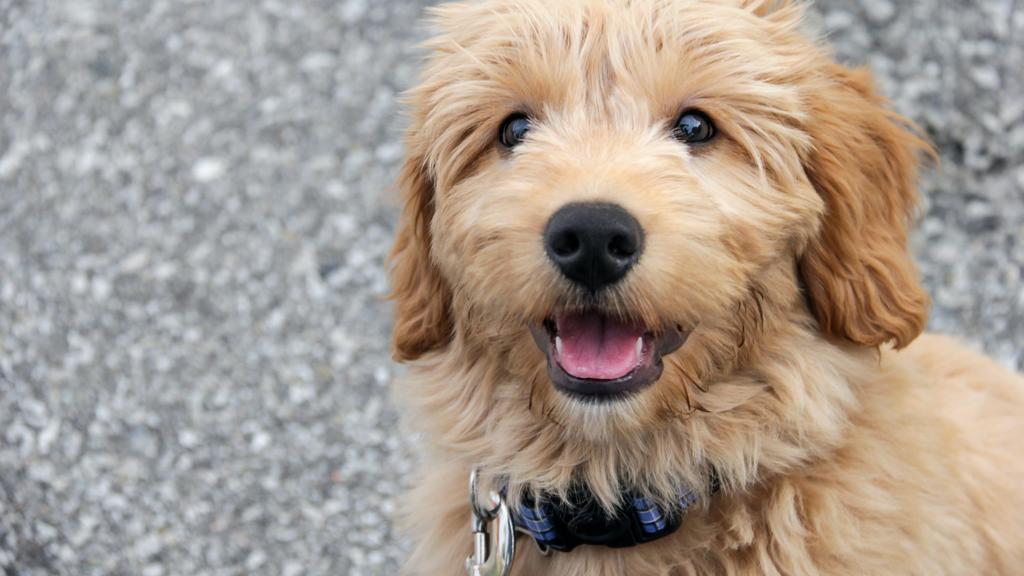
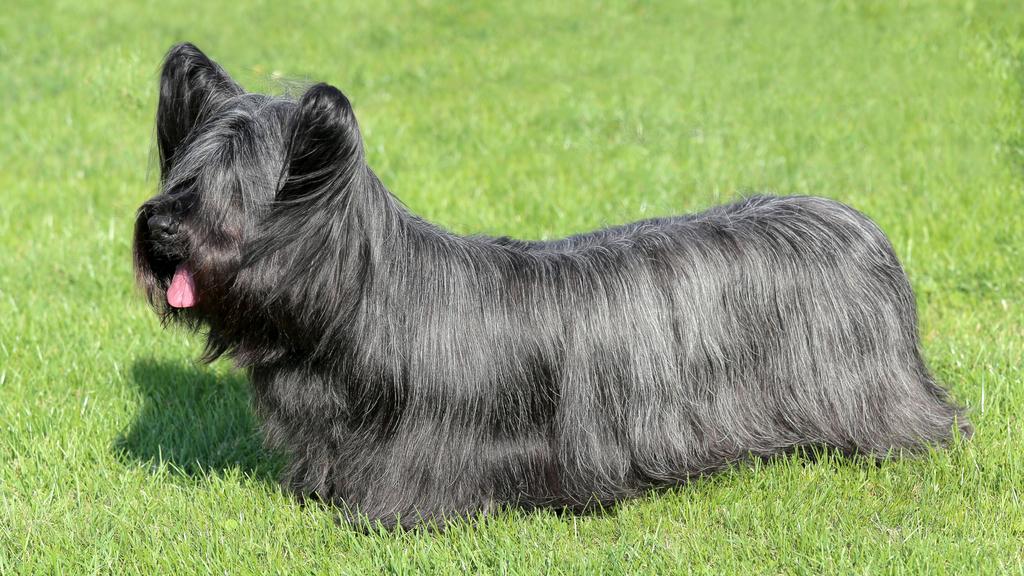
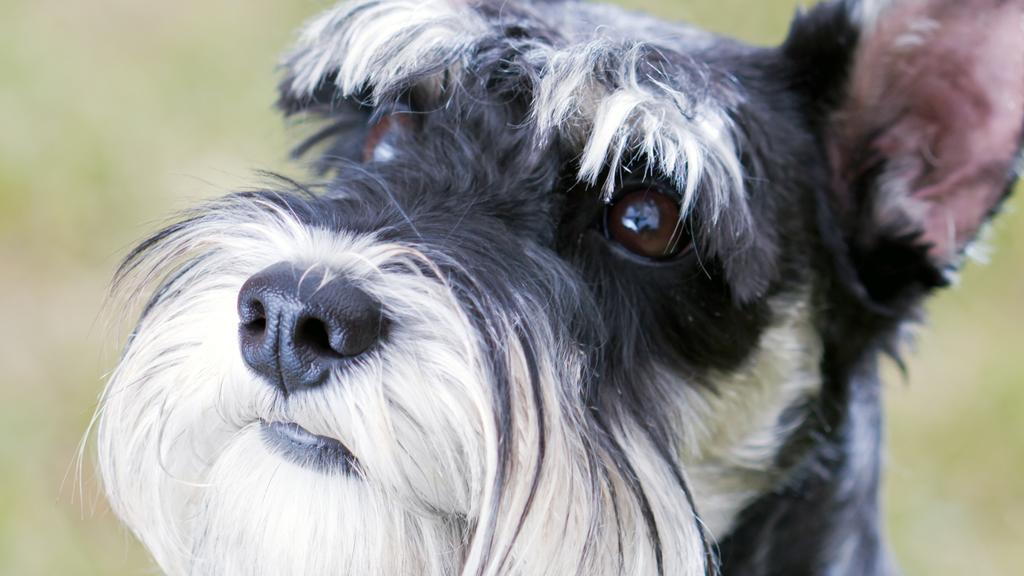
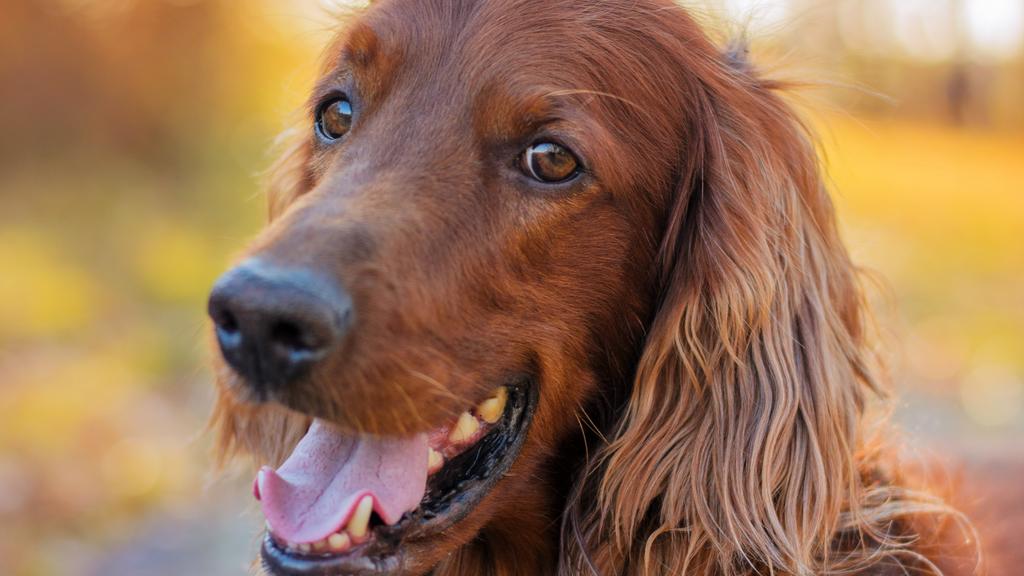
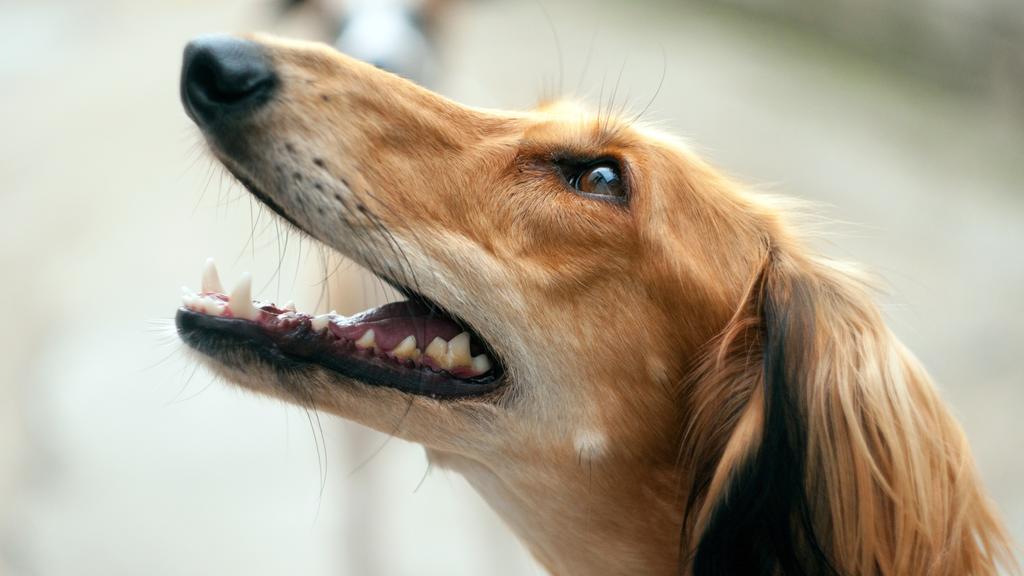
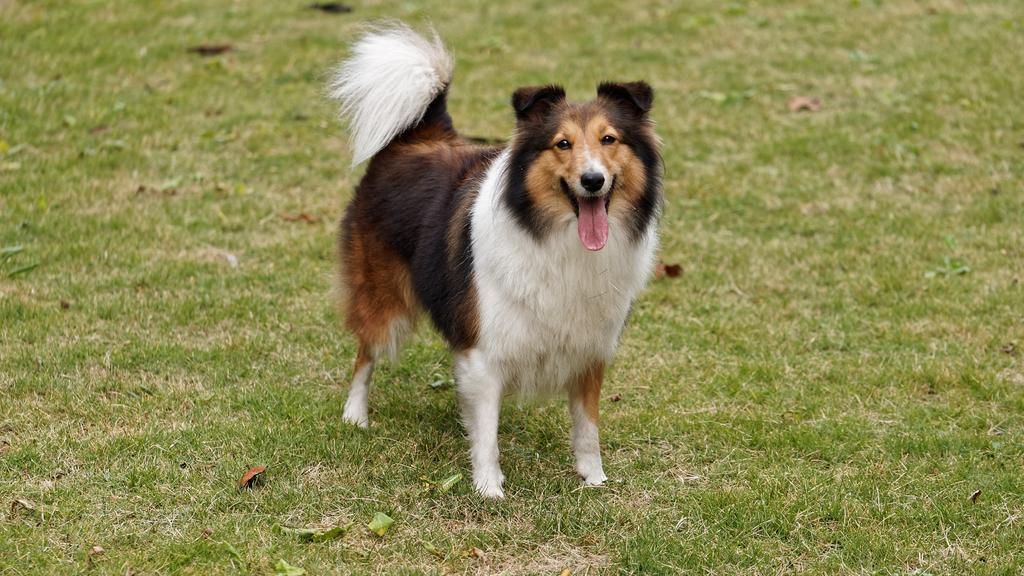
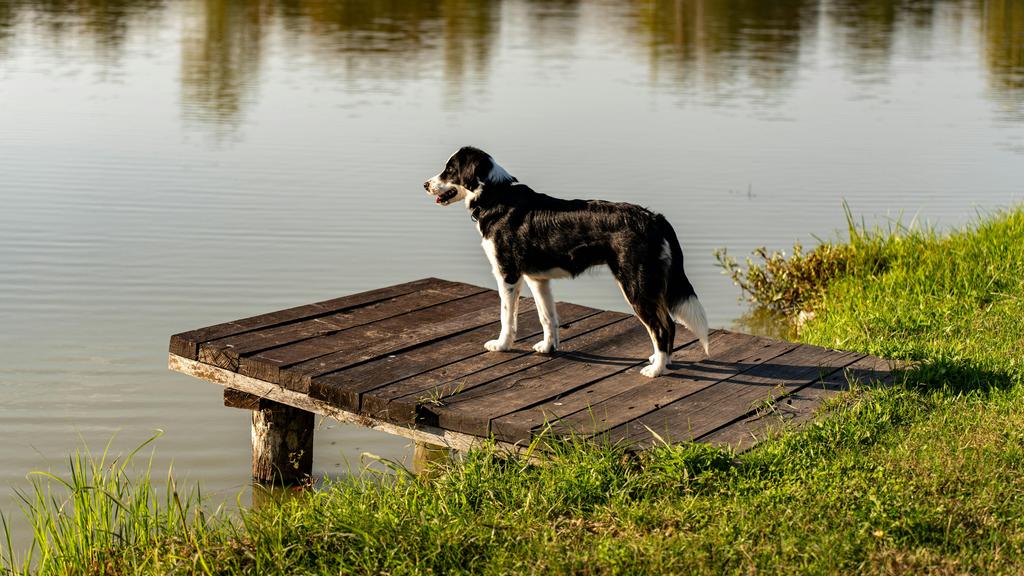
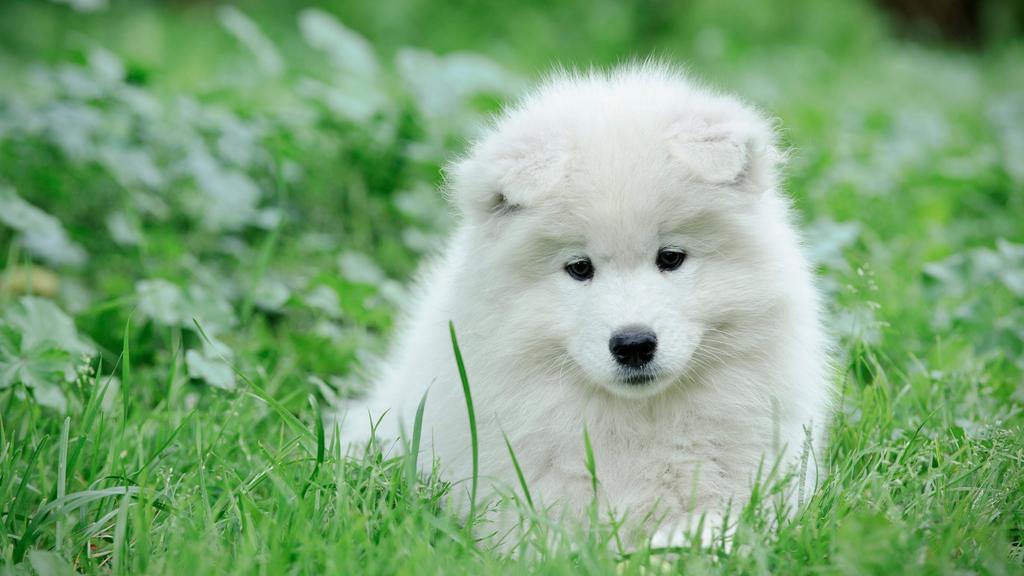
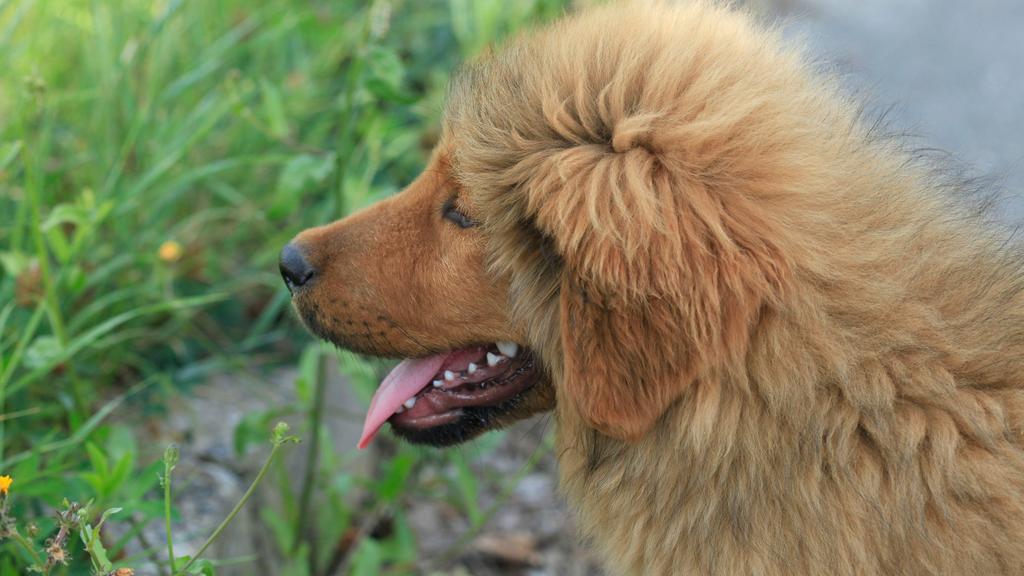
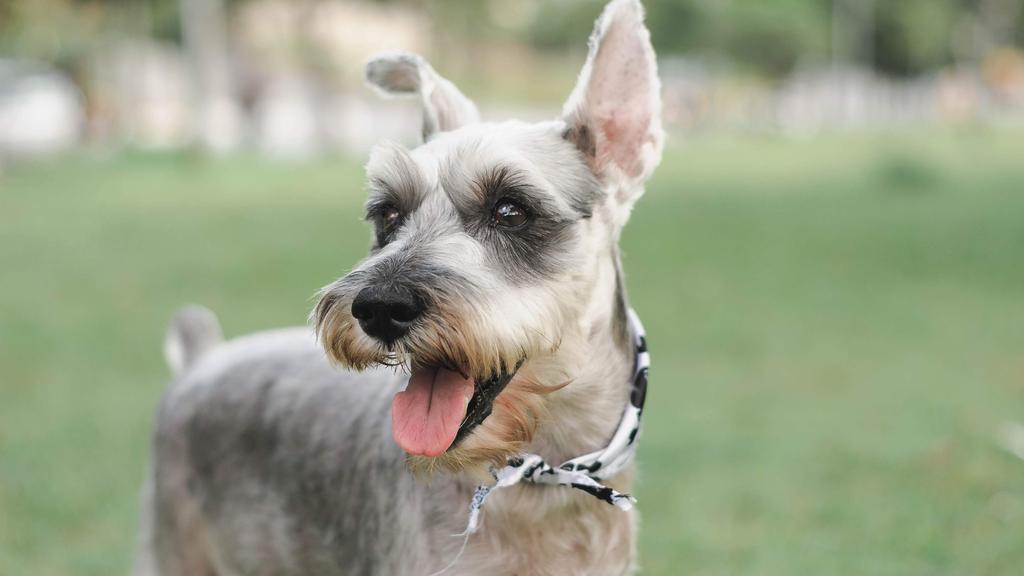
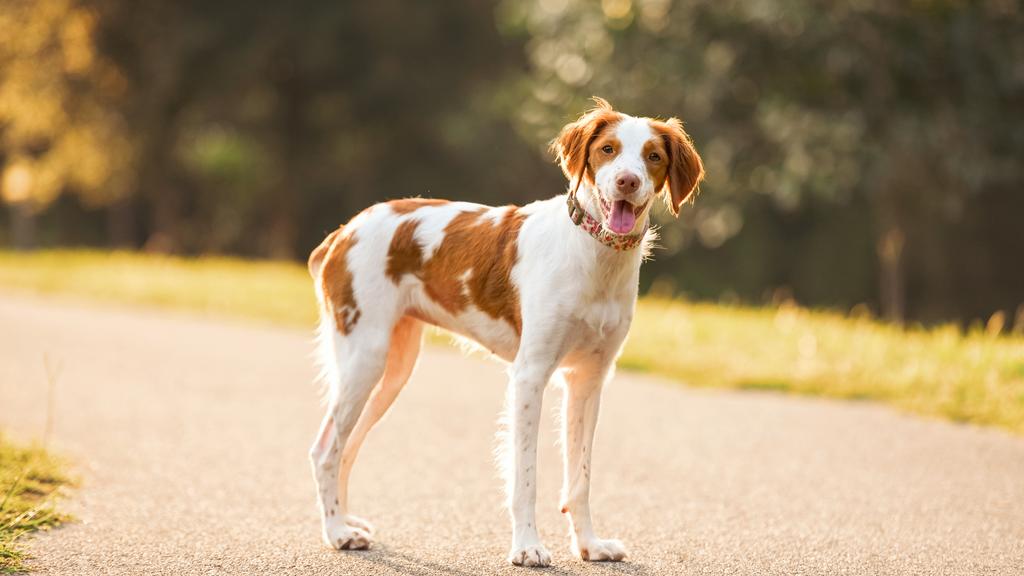

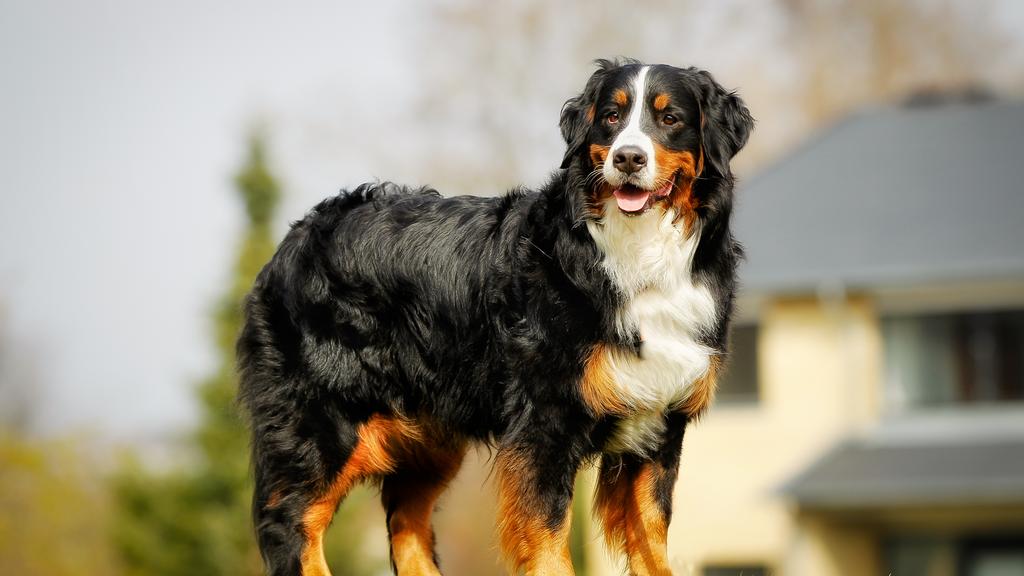
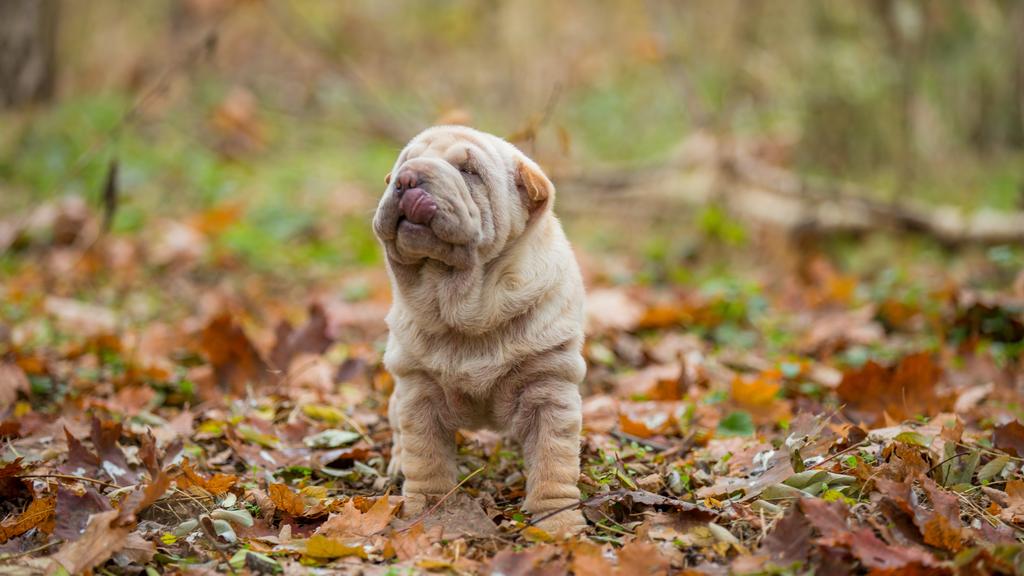
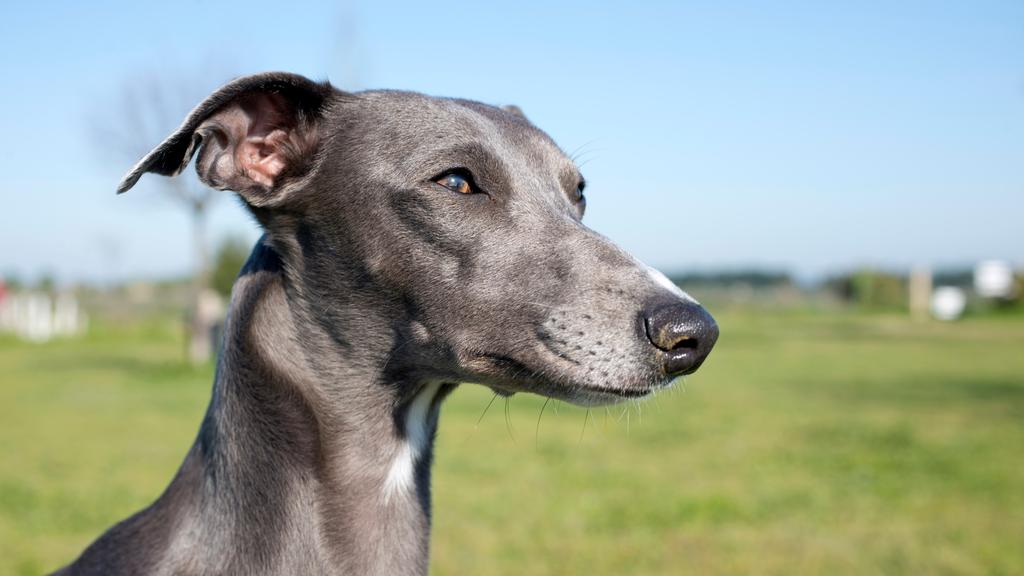
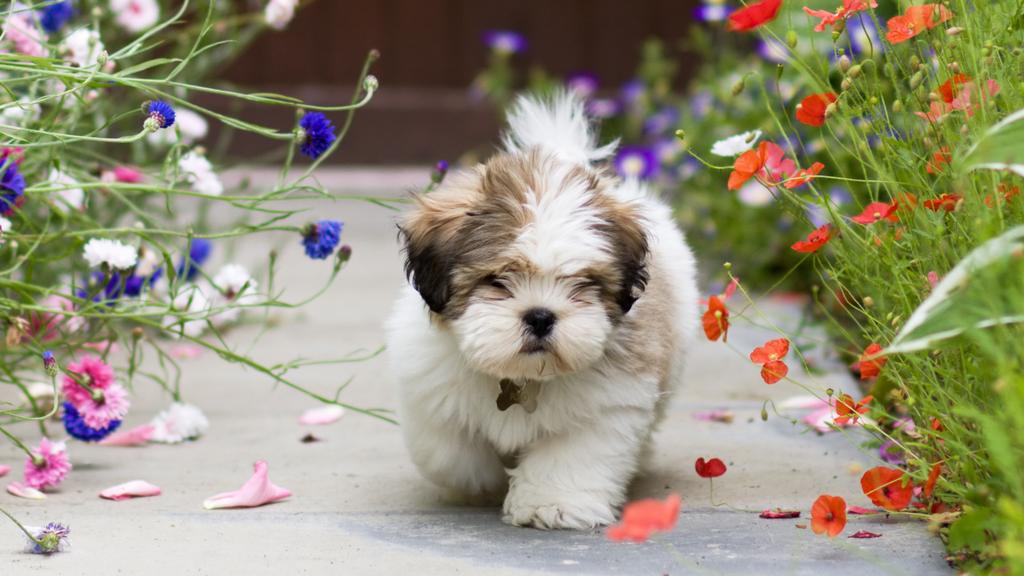
Breed Finder
Scope: Dog | Tell us your preferences and get ranked matches.
Showing top suggestions in current scope. Add preferences to personalize matching.
Affenpinscher
Dog
- Limited explicit trait matches; review detail profile before deciding.
Afghan Hound
Dog
- Limited explicit trait matches; review detail profile before deciding.
Airedale Terrier
Dog
- Limited explicit trait matches; review detail profile before deciding.
Akita
Dog
- Limited explicit trait matches; review detail profile before deciding.
Alaskan Malamute
Dog
- Limited explicit trait matches; review detail profile before deciding.
American Bulldog
Dog
- Limited explicit trait matches; review detail profile before deciding.
American Cocker Spaniel
Dog
- Limited explicit trait matches; review detail profile before deciding.
American Eskimo Dog
Dog
- Limited explicit trait matches; review detail profile before deciding.
American Foxhound
Dog
- Limited explicit trait matches; review detail profile before deciding.
American Pit Bull Terrier
Dog
- Limited explicit trait matches; review detail profile before deciding.
American Staffordshire Terrier
Dog
- Limited explicit trait matches; review detail profile before deciding.
American Water Spaniel
Dog
- Limited explicit trait matches; review detail profile before deciding.
Anatolian Shepherd Dog
Dog
- Limited explicit trait matches; review detail profile before deciding.
Appenzeller Sennenhund
Dog
- Limited explicit trait matches; review detail profile before deciding.
Australian Cattle Dog
Dog
- Limited explicit trait matches; review detail profile before deciding.
Other Ideas To Improve Breed Matching
- Add a time commitment filter (minutes/day for walks, play, and training).
- Include a noise tolerance filter (quiet, moderate, vocal).
- Add budget range (grooming + routine care costs by breed profile).
- Use a short temperament quiz and weight calm/social/protective traits.
- Offer an "adoptable alternatives" mode to surface similar shelter-friendly breeds.
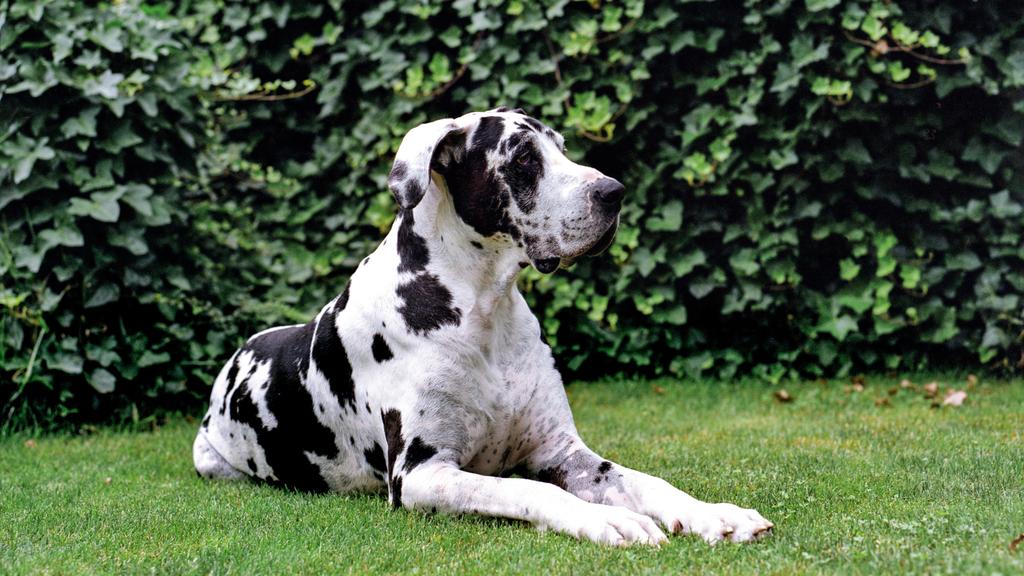
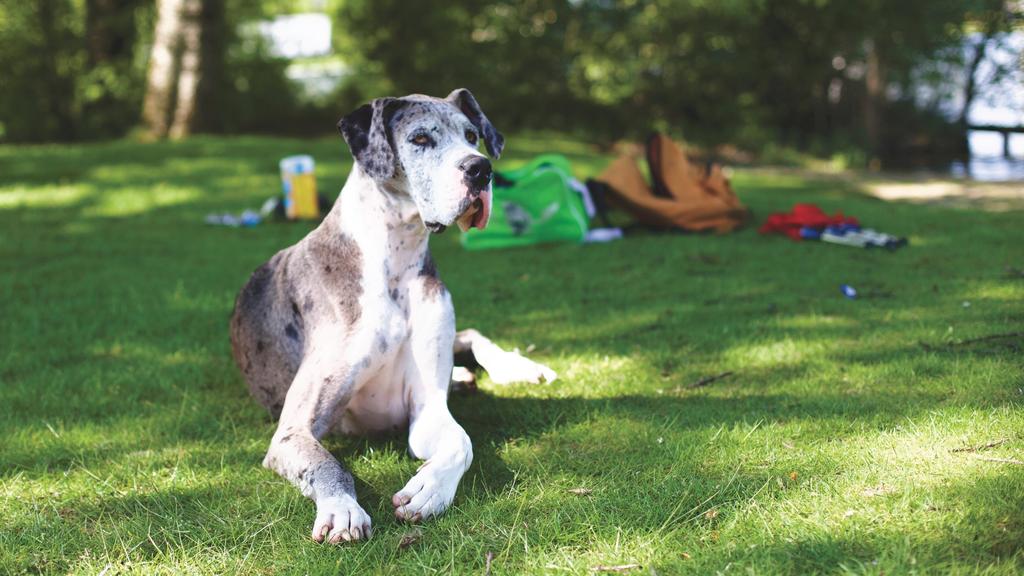
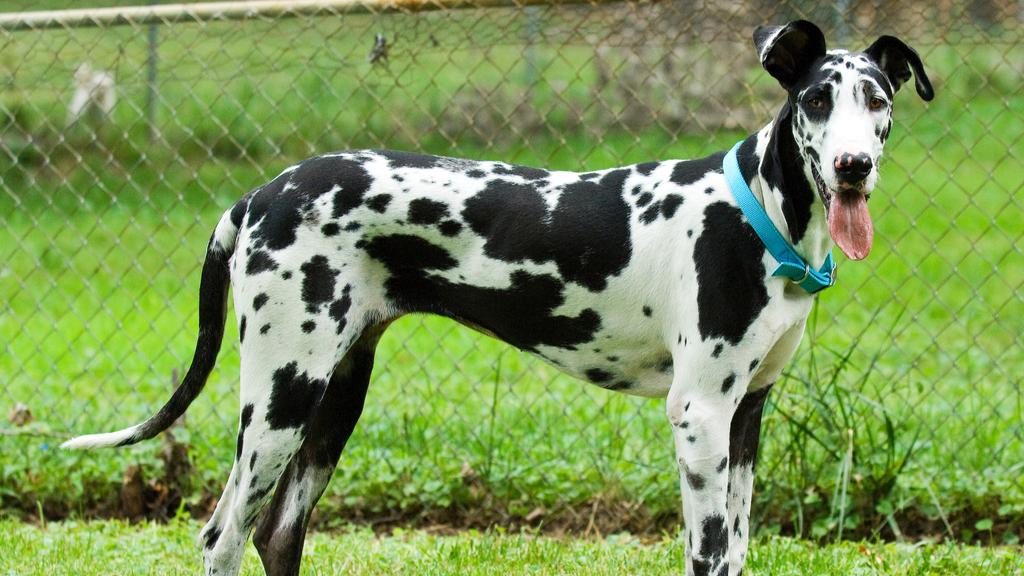
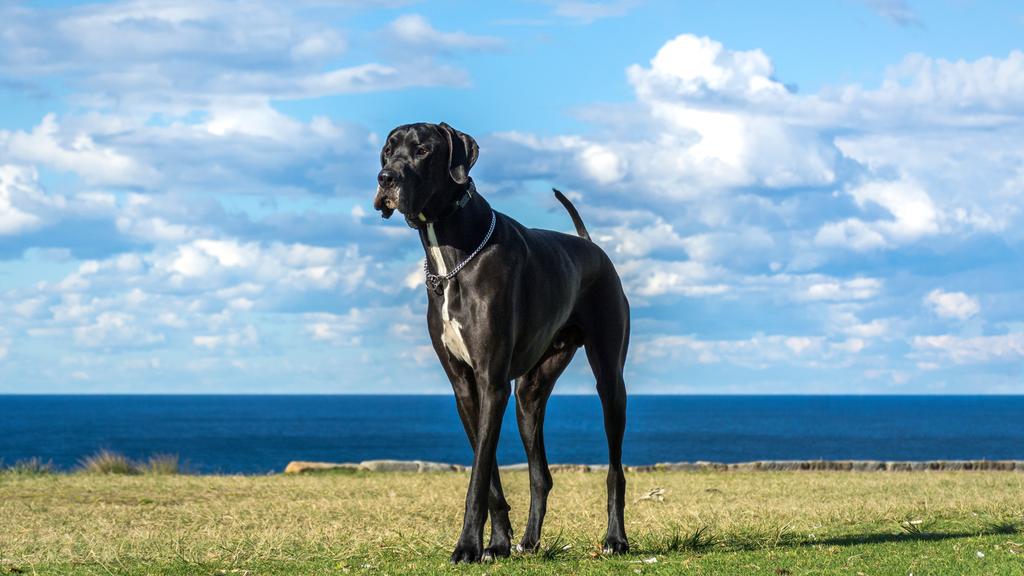
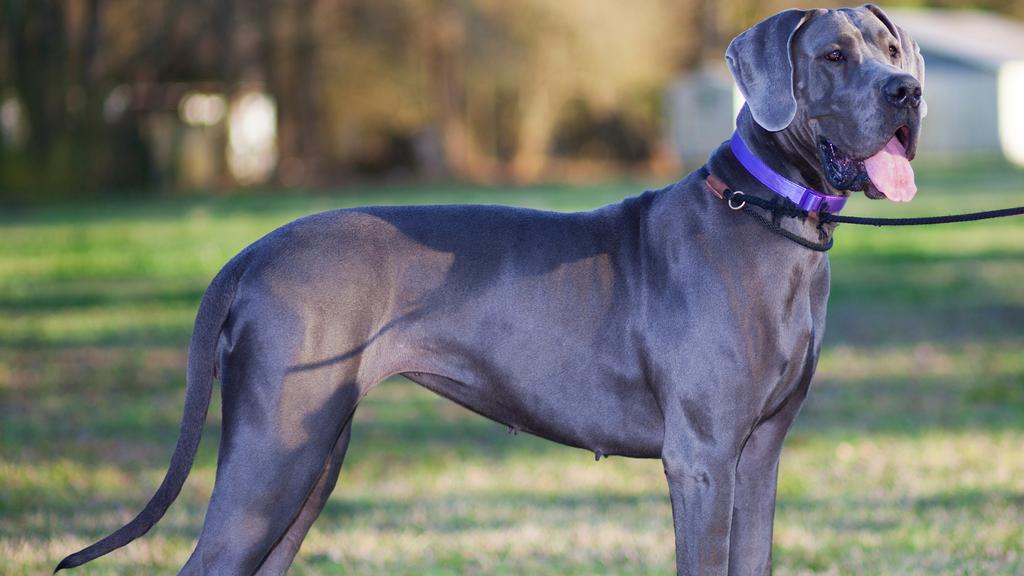
Great Dane
Dog Breed Profile
Sections: 10
Attributes: 33
Data Coverage: 100%
Quick Snapshot
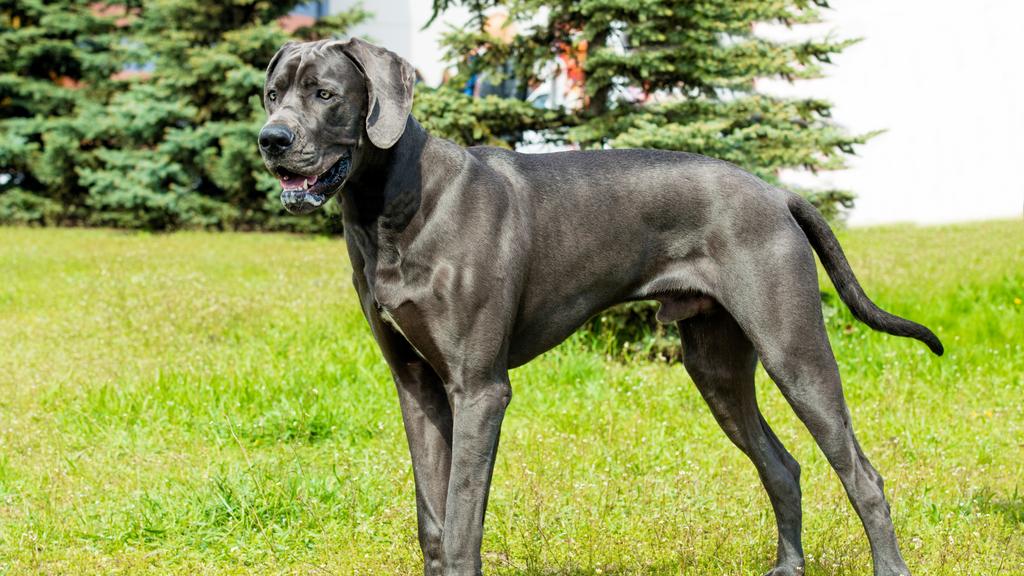
- Size & Weight: Giant breed; many adults are roughly 110-175 lbs (about 50-79 kg).
- Lifespan: Often around 7-10 years.
- Coat Type: Short, smooth coat.
- Shedding: Moderate year-round shedding.
- Breed Group: Working.
Basic Information
- Size & Weight: Giant breed; many adults are roughly 110-175 lbs (about 50-79 kg).
- Lifespan: Often around 7-10 years.
- Coat Type: Short, smooth coat.
- Shedding: Moderate year-round shedding.
- Breed Group: Working.
- Country/Region of Origin: Germany
- Recognition Status: Recognized
Life Stage Considerations
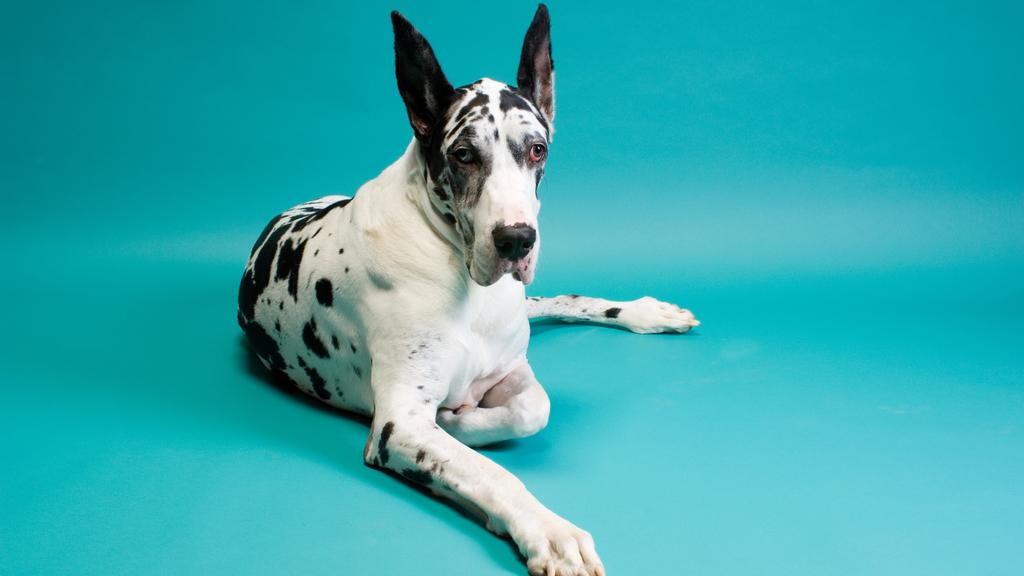
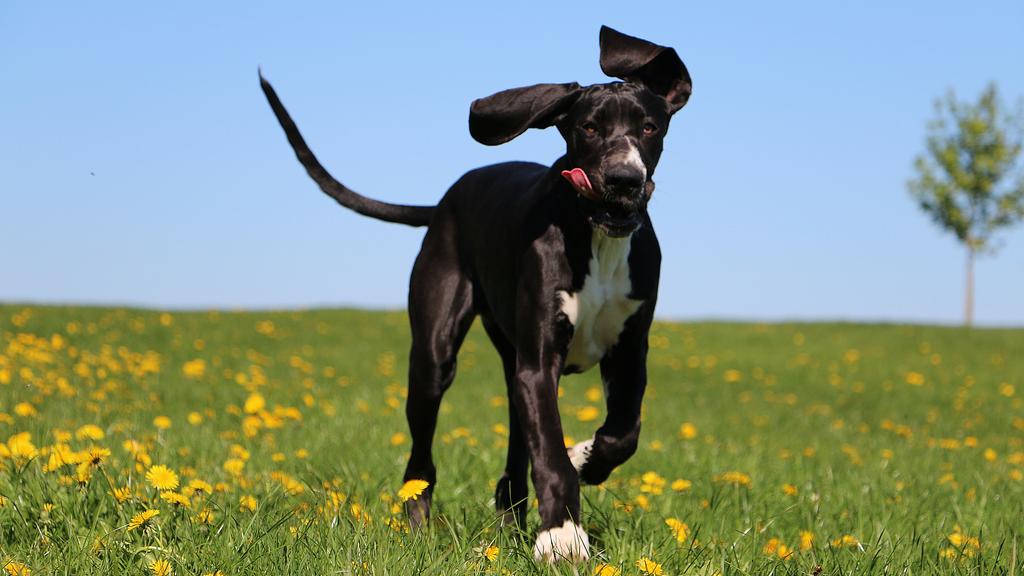
- Puppies: Rapid growth requires controlled nutrition, low-impact activity, and early leash/handling training.
- Adults: Need daily moderate exercise, continued manners training, and close monitoring of body condition.
- Seniors: Benefit from softer exercise, traction support, and closer cardiac and mobility monitoring.
Temperament & Behavior
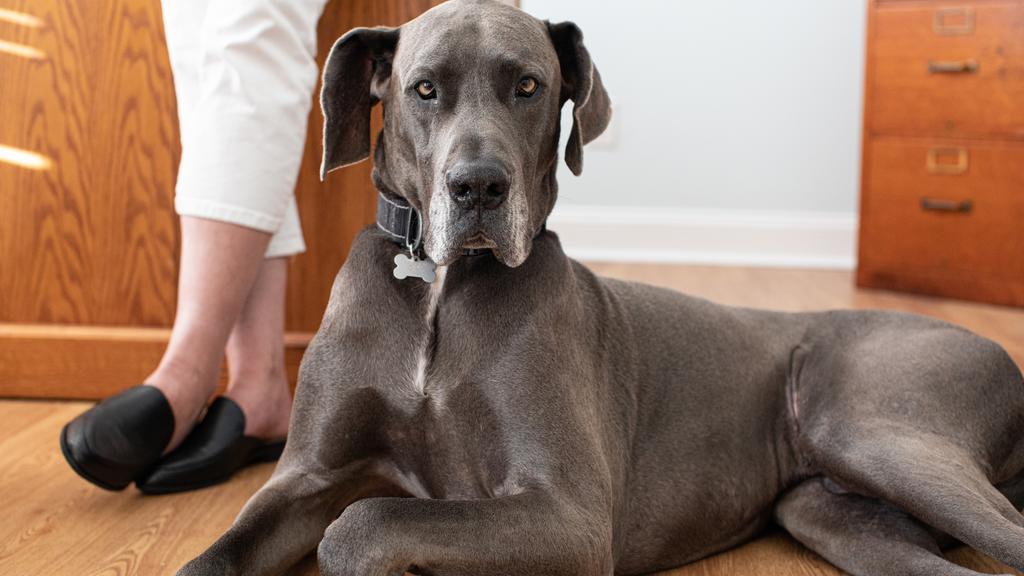
- Disposition: Usually affectionate, patient, and calm with family; can be reserved with strangers.
- Trainability: Generally trainable and people-oriented, but giant size requires consistent boundaries from the start.
- Compatibility: Often good with children and other pets when socialized, with supervision because of size.
Exercise & Activity Needs
- Energy Level: Moderate.
- Daily Exercise: Usually about 45-90 minutes daily, split into structured walks and controlled play.
- Preferred Activities: Leash walks, basic obedience work, scent games, and low-impact interactive play.
Grooming & Health
- Grooming Frequency: Weekly brushing is typical, plus routine nail, ear, and dental care.
- Common Health Concerns: Gastric dilatation-volvulus (bloat), cardiomyopathy, hip dysplasia, and other orthopedic issues.
- Preventive Care: Maintain lean weight, discuss bloat-risk feeding practices with your vet, and follow routine cardiac and orthopedic screening.
Suitability for First-Time vs. Experienced Owners
- First-Time: Possible with guidance, but giant size and medical risk profile can be challenging.
- Experienced: Well-suited to owners comfortable with giant-breed handling, training, and budgeting.
Living Environment Adaptability
- Apartment-Friendly: Can adapt with daily exercise and training, but space management is harder than with smaller breeds.
- Climate Tolerance: Limited tolerance for temperature extremes; short coat offers less protection in cold weather.
- Noise Levels: Usually low to moderate; many are relatively quiet indoors.
Financial Considerations
- Initial Costs: High due to purchase/adoption setup, crate/bedding size, and giant-breed supplies.
- Ongoing Costs: High food, medication, and veterinary costs are common for giant breeds.
- Insurance: Strongly recommended because emergency and chronic care costs can be substantial.
Adoption vs. Breeder Considerations
- Adoption Pros: Breed rescues can provide adult dogs with known temperament and support.
- Breeder Pros: Reputable breeders can provide health testing and pedigree history.
- Cons: Shorter average lifespan and large-body care needs increase long-term emotional and financial commitment.
Long-Term Commitment & Special Considerations
- Lifespan: Plan for roughly 7-10 years of daily giant-breed care.
- Aging Needs: Seniors often need mobility support, careful weight control, and closer cardiac follow-up.
- Backup Plans: Have plans for emergency transport, boarding, and handlers comfortable with giant dogs.
Common Conditions
Additional Details
Country/Region of Origin: Germany
Recognition Status: Recognized
Reviews & Comments
No community reviews yet. Be the first to share your experience.