Health A-Z
Feline Leukemia Virus (FeLV)
Owner and veterinary guidance with linked treatments and source citations.
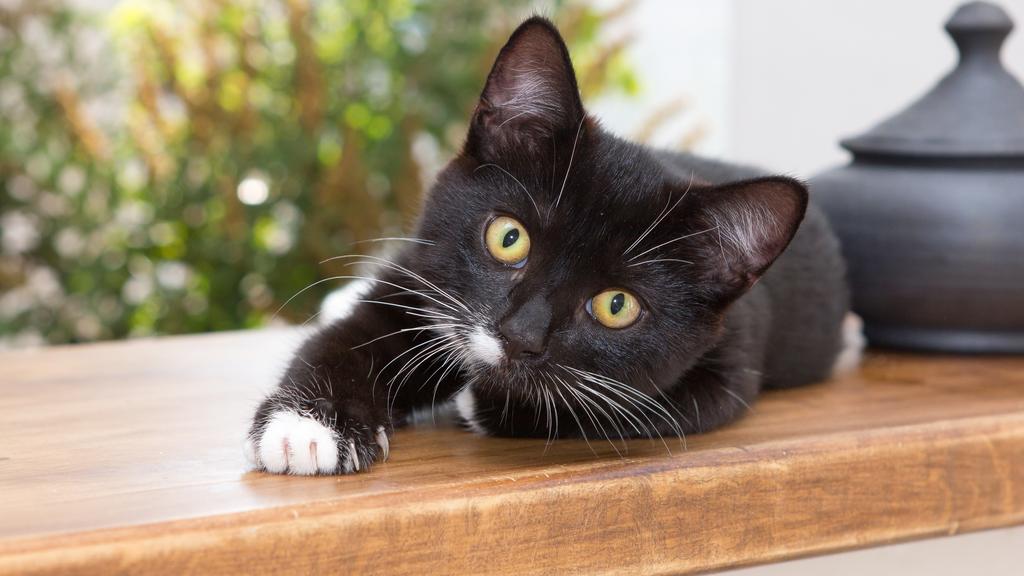
Feline Leukemia Virus (FeLV)
Species: Cat
Breeds Affected: All breeds (kittens and outdoor cats at highest risk)
Clinical review: Veterinary reviewer metadata is not available yet.
Guidance by audience
Use the global Pet owner/Vet toggle in the header. Each mode shows only what that audience needs.
For Pet Owners
Quick summary
A contagious retrovirus that suppresses the immune system and can cause anemia and lymphoma. It is spread via saliva and close contact. Many cats become persistently viremic. Once common, its prevalence has decreased due to testing and vaccination. Track appetite, hydration, stool/urine changes, energy level, and symptom pattern over time.
Red flags
Call your vet today: Persistent or worsening symptoms. Emergency now: Collapse, severe breathing issues, seizures, uncontrolled bleeding, or severe pain.
What to expect at the vet
Diagnosis should combine history, exam findings, and condition-specific testing.
Prevention checklist
Reduce preventable risk through hygiene, vaccination/preventives when applicable, and routine veterinary follow-up.
For Veterinarians
Diagnostics
Diagnosis should combine history, exam findings, and condition-specific testing.
Differentials
Differential diagnosis considerations are not available yet.
Treatment considerations
There is no cure; management is supportive. Infected cats should be kept indoors and separated from non-infected cats. Secondary infections must be treated aggressively (eg, antibiotics for bacterial infections). Regular veterinary checkups are essential, and blood transfusions may be needed for severe anemia. Chemotherapy can be used if lymphoma develops.
Follow-up strategy
Follow-up strategy is not available yet.
What To Do Now
Escalate care quickly if symptoms worsen, persist, or include emergency warning signs.
| Urgency | Signs | Action |
|---|---|---|
| Call your vet today | Persistent or worsening symptoms | Call your veterinarian the same day for guidance and exam scheduling. |
| Emergency now | Collapse, severe breathing issues, seizures, uncontrolled bleeding, or severe pain | Seek emergency veterinary care immediately. |
Prevention Checklist
Reduce preventable risk through hygiene, vaccination/preventives when applicable, and routine veterinary follow-up.
Treatments and Medication Links
Use these medication pages as a reference for options your veterinarian may discuss.
Detailed treatment strategy remains in the Vet view to avoid duplicate narrative blocks.
No linked medications are available yet.
Find a Vet Near YouFrequently Asked Questions
FAQ content is not available for this condition yet.
Data Sources
Last updated: February 16, 2026, 11:12 AM UTC
View source list
-
Owner_summary · clinical_reference
https://www.merckvetmanual.com/searchresults?query=Feline+Leukemia+Virus+%28FeLV%29Reference search for condition background. -
Triage · clinical_reference
https://www.merckvetmanual.com/searchresults?query=Feline+Leukemia+Virus+%28FeLV%29Clinical triage framing. -
Vet_summary · clinical_reference
https://www.merckvetmanual.com/searchresults?query=Feline+Leukemia+Virus+%28FeLV%29Clinical workflow reference. -
Diagnosis · guideline
https://capcvet.org/?s=Feline+Leukemia+Virus+%28FeLV%29Guideline discovery link. -
Prevention · public_health
https://www.cdc.gov/search/?query=Feline+Leukemia+Virus+%28FeLV%29Public health discovery link. -
Treatment_overview · guideline
https://capcvet.org/?s=Feline+Leukemia+Virus+%28FeLV%29Treatment guideline discovery link.
Revision History
View revision log
-
structured_enrichment2026-02-16 11:12 · etl
-
structured_enrichment2026-02-16 11:00 · etl
-
structured_enrichment2026-02-15 11:11 · etl
-
structured_enrichment2026-02-15 11:00 · etl
-
structured_enrichment2026-02-14 11:10 · etl
-
structured_enrichment2026-02-14 11:00 · etl
-
structured_enrichment2026-02-13 11:11 · etl
-
structured_enrichment2026-02-13 11:00 · etl
-
structured_enrichment2026-02-13 04:45 · etl
-
structured_enrichment2026-02-12 22:47 · etl
Related Media
Related media is not available for this condition yet.
Share Your Thoughts
Let others know your experience or advice regarding this condition.