Health A-Z
Giardiasis (Giardia)
Owner and veterinary guidance with linked treatments and source citations.
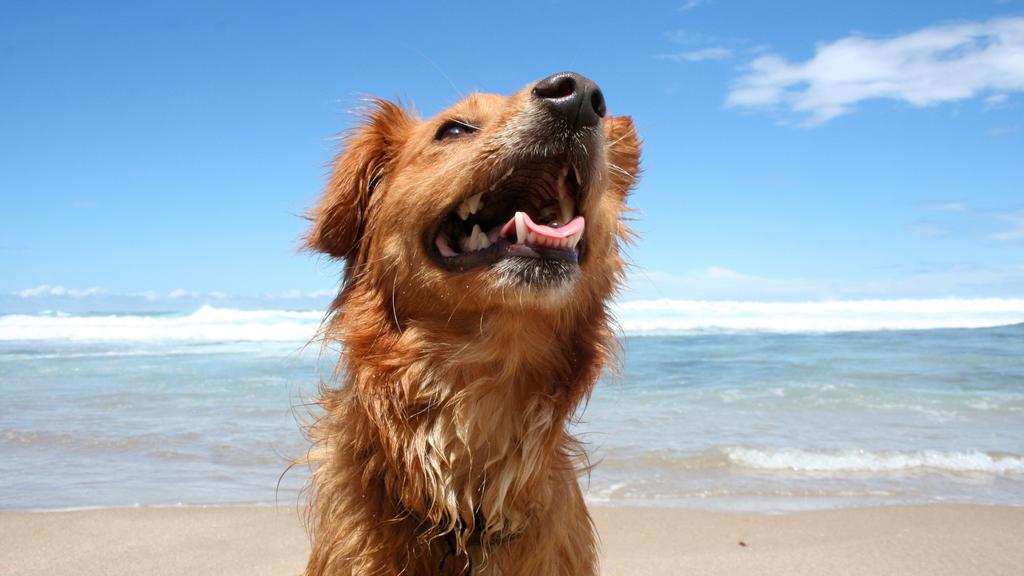
Giardiasis (Giardia)
Species: Dog
Breeds Affected: All Breeds (higher risk in puppies and dogs in group housing or unsanitary conditions)
Clinical review: Veterinary reviewer metadata is not available yet.
Guidance by audience
Use the global Pet owner/Vet toggle in the header. Each mode shows only what that audience needs.
For Pet Owners
Quick summary
Giardiasis is an intestinal parasite infection that commonly causes diarrhea and dehydration risk in dogs and cats.
Red flags
Seek urgent care for bloody diarrhea, repeated vomiting, severe lethargy, dehydration signs, or worsening symptoms in puppies/kittens.
What to expect at the vet
Your vet will review stool quality, hydration, exposure history, and likely run fecal testing to confirm parasites before planning treatment.
Prevention checklist
Pick up stool promptly, avoid stagnant water, clean shared bowls, and follow your veterinarian’s parasite prevention guidance.
For Veterinarians
Diagnostics
Use fecal antigen or microscopy as indicated; correlate with clinical signs and hydration status before confirming diagnosis.
Differentials
Consider dietary intolerance, stress colitis, bacterial enteritis, and other protozoal or helminthic causes of diarrhea.
Treatment considerations
Prioritize rehydration, parasite-directed therapy per protocol, environmental decontamination, and owner adherence counseling.
Follow-up strategy
Reassess stool quality and hydration response; repeat fecal testing when clinically indicated and reinforce prevention controls.
What To Do Now
Use symptom severity and hydration status to decide whether to monitor at home, call same-day, seek urgent care, or go to emergency.
| Urgency | Signs | Action |
|---|---|---|
| Monitor at home | Mild soft stool but normal appetite and energy | Monitor closely for 24 hours, keep hydration steady, and schedule a routine vet appointment. |
| Call your vet today | Persistent diarrhea (>24h), reduced appetite, or repeated vomiting | Call your veterinarian the same day for stool testing and dehydration assessment. |
| Urgent care | Lethargy, poor hydration, weight loss, or blood in stool | Seek urgent veterinary care today. |
| Emergency now | Collapse, severe weakness, inability to keep water down | Go to emergency care immediately. |
Prevention Checklist
Pick up stool promptly, avoid stagnant water, clean shared bowls, and follow your veterinarian’s parasite prevention guidance.
Treatments and Medication Links
Use these medication pages as a reference for options your veterinarian may discuss.
Detailed treatment strategy remains in the Vet view to avoid duplicate narrative blocks.
| Medication | Role | Evidence | Notes |
|---|---|---|---|
| Metronidazole | Alternative | Moderate | Alternative or adjunctive option in selected cases. |
| Fenbendazole | First-line | High | Common first-line option in dogs for Giardia management. |
Frequently Asked Questions
FAQ content is not available for this condition yet.
Data Sources
Last updated: February 14, 2026, 2:25 AM UTC
View source list
-
Diagnostics · clinical_reference
https://www.merckvetmanual.com/digestive-system/intestinal-diseases-in-small-animals/giardiasis-in-small-animalsPlaceholder citation seeded for structured condition page. -
Differentials · clinical_reference
https://www.vin.com/apputil/content/defaultadv1.aspx?id=3844352&pid=11165Placeholder citation seeded for structured condition page. -
Follow_up_strategy · guideline
https://wsava.org/global-guidelines/Placeholder citation seeded for structured condition page. -
Prevention_checklist · guideline
https://capcvet.org/guidelines/giardia/Placeholder citation seeded for structured condition page. -
Quick_summary · public_health
https://www.cdc.gov/parasites/giardia/Placeholder citation seeded for structured condition page. -
Red_flags · clinical_reference
https://www.merckvetmanual.com/digestive-system/intestinal-diseases-in-small-animals/giardiasis-in-small-animalsPlaceholder citation seeded for structured condition page. -
Treatment_considerations · guideline
https://capcvet.org/guidelines/giardia/Placeholder citation seeded for structured condition page. -
What_to_expect_at_vet · guideline
https://wsava.org/global-guidelines/Placeholder citation seeded for structured condition page.
Revision History
View revision log
-
structured_enrichment2026-02-16 11:11 · etl
-
structured_enrichment2026-02-16 11:00 · etl
-
structured_enrichment2026-02-15 11:11 · etl
-
structured_enrichment2026-02-15 11:00 · etl
-
structured_enrichment2026-02-14 11:10 · etl
-
structured_enrichment2026-02-14 11:00 · etl
-
structured_enrichment2026-02-13 11:11 · etl
-
structured_enrichment2026-02-13 11:00 · etl
-
structured_enrichment2026-02-13 04:45 · etl
-
structured_enrichment2026-02-12 22:47 · etl
Related Media
Related media is not available for this condition yet.
Share Your Thoughts
Let others know your experience or advice regarding this condition.