Meds A-Z
Ivermectin
Detailed information about Ivermectin
Pet Owner Quick Guide
Start here: what this medicine is for, what it does, and when it's usually needed.
Usually used for:
For the effective treatment and control of the following parasites of cattle: Gastrointestinal Roundworms (adults and fourth-stage larvae): Ostertagia ostertagi (including inhibited O. ostertagi ), O. lyrata , Haemonchus...
What it does:
Used monthly for heartworm prevention in dogs and cats; also controls certain intestinal parasites.
When it's needed:
Generally safe at labeled doses. Use caution in collies and herding breeds with MDR1 gene mutation at higher doses.
Call your vet sooner if you notice:
- Generally safe at labeled doses. Use caution in collies and herding breeds with MDR1 gene mutation at higher doses.
Commonly reported reactions:
- (1 reports)
- (1 reports)
- (1 reports)
What to ask your vet today:
- Is this medicine the right fit for my pet’s current symptoms?
- Which warning signs mean I should call back right away?
- How should I handle missed doses or refusal to take the medicine?
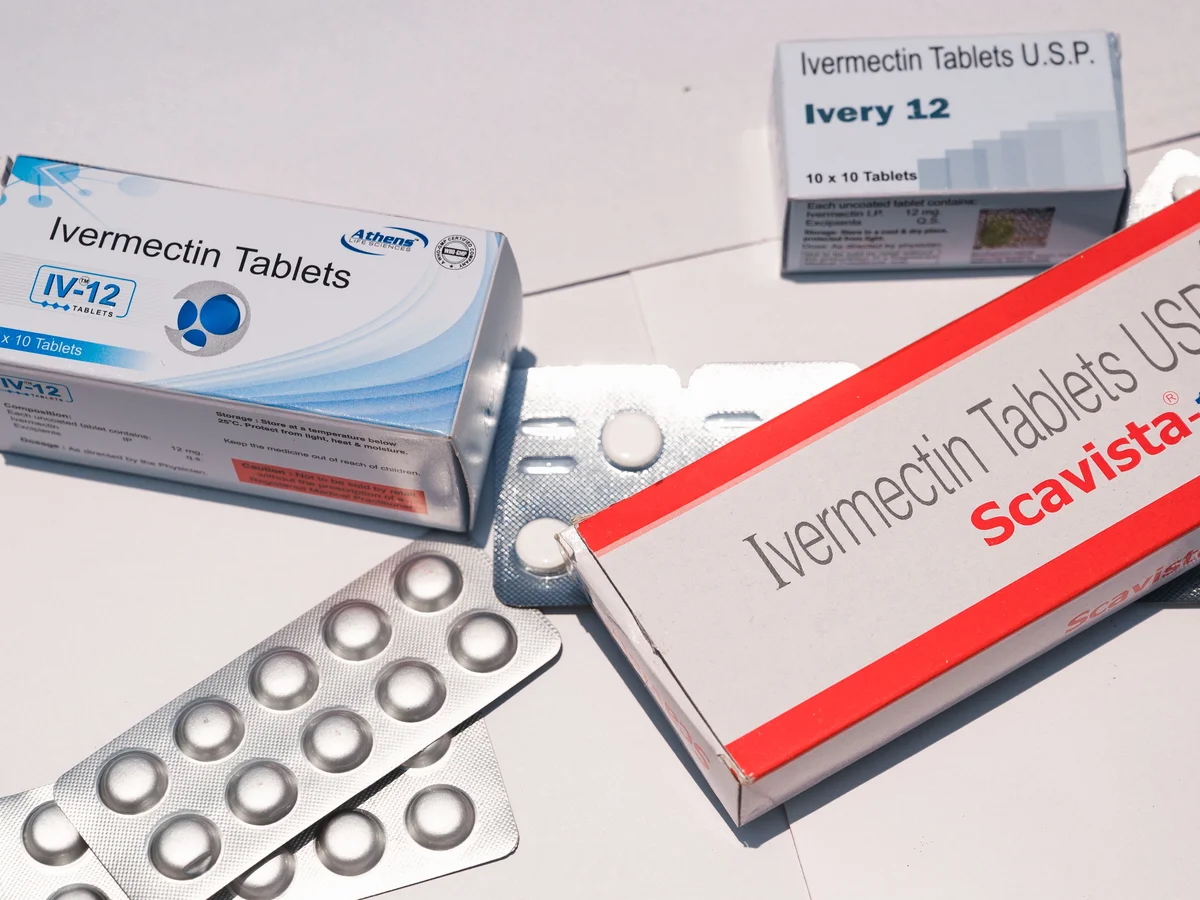
Ivermectin
Drug type: Generic ingredient • Branded profile • FDA branded products available
Species: Both
Manufacturer: Boehringer lngelheim Animal Health USA, Inc.
Quick Facts
Official label facts first, then secondary summaries. Marketing content is separated below.
- https://animaldrugsatfda.fda.gov/adafda/views/#/home/previewsearch/140833 · official_label · FDA application profile
- https://animaldrugsatfda.fda.gov/adafda/views/#/home/previewsearch/131392 · official_label · FDA application profile
- https://animaldrugsatfda.fda.gov · fda_animal_drugs · Medication usage source
Warnings / Contraindications
Generally safe at labeled doses. Use caution in collies and herding breeds with MDR1 gene mutation at higher doses.
- High: Generally safe at labeled doses. Use caution in collies and herding breeds with MDR1 gene mutation at higher doses.
- https://animaldrugsatfda.fda.gov · fda_animal_drugs · Contraindication source
Adverse Reactions
Snapshot first, detailed rows second. This section summarizes signal data and is not a diagnosis.
Tap or hover a reaction to see what it means in plain language.
Most Reported Reactions
| Reaction | Cases | Species | Serious cases |
|---|---|---|---|
| 1 | Cat | 1 | |
| 1 | Cat | 1 | |
| 1 | Cat | 1 | |
| 1 | Cat | 1 | |
| 1 | Dog | 1 | |
| 1 | Cat | 1 | |
| 1 | Cat | 1 | |
| 1 | Cat | 0 |
Species coverage: Cat (24) Dog (8)
View detailed reaction table
| Reaction | Species | Seriousness | Frequency | Reports |
|---|---|---|---|---|
| Cat | Non-serious | - | 1 | |
| Cat | Non-serious | - | 1 | |
| Cat | Non-serious | - | 1 | |
| Cat | Non-serious | - | 1 | |
| Cat | Non-serious | - | 1 | |
| Cat | Non-serious | - | 1 | |
| Cat | Serious | - | 1 | |
| Dog | Non-serious | - | 1 | |
| Cat | Serious | - | 1 | |
| Dog | Non-serious | - | 1 | |
| Dog | Non-serious | - | 1 | |
| Dog | Serious | - | 1 | |
| Dog | Non-serious | - | 1 | |
| Cat | Serious | - | 1 | |
| Dog | Non-serious | - | 1 | |
| Cat | Serious | - | 1 | |
| Cat | Non-serious | - | 1 | |
| Cat | Serious | - | 1 | |
| Cat | Non-serious | - | 1 | |
| Dog | Non-serious | - | 1 | |
| Cat | Non-serious | - | 1 | |
| Dog | Non-serious | - | 1 | |
| Cat | Serious | - | 1 | |
| Cat | Non-serious | - | 1 | |
| Cat | Non-serious | - | 1 | |
| Cat | Non-serious | - | 1 | |
| Cat | Non-serious | - | 1 | |
| Cat | Non-serious | - | 1 | |
| Cat | Non-serious | - | 1 | |
| Cat | Non-serious | - | 1 | |
| Cat | Non-serious | - | 1 | |
| Cat | Non-serious | - | 1 |
- https://api.fda.gov/animalandveterinary/event.json · adverse_reaction · openFDA case USA-USFDACVM-2024-US-066284
Storage & Handling
Store at controlled room temperature (20–25°C / 68–77°F); protect from light and moisture. Keep out of reach of children.
Documents
Official label facts are separated from secondary summaries.
Official documents: 144 • Secondary summaries: 0
- UCM417726.pdf · FOI
- ucm062428.pdf · FOI
- N140833_Supp_04_01_1999.pdf · FOI
- N140833 Supp_2_24_1997.pdf · FOI
- ucm049956.pdf · FOI
- ivomec® Plus · SPL
- UCM468909.pdf · FOI
- 131-392 · EA
- 131-392 · FONSI
- Ivomec® Liquid · SPL
- UCM408781.pdf · FOI
- Duocare™ · SPL
- ucm061802.pdf · FOI
- Tri-Heart Plus Chewable Tablets · SPL
- ucm061720.pdf · FOI
- Iversol Liquid for Horses · SPL
- ucm049946.pdf · FOI
- N140841_Supp_6_5_1997.pdf · FOI
- N140841_Org_08_30_1990.pdf · FOI
- 140-841 · EA
- 140-841 · FONSI
- 140-841 · EA
- 140-841 · FONSI
- Ivomec® Pour-On · SPL
- Eqvalan® Injection · SPL
- ucm049866.pdf · FOI
- N140439_Orig_9_8_1987.pdf · FOI
- Eqvalan® Oral Liquid For Horses · SPL
- UCM388267.pdf · FOI
- Ivermectin Paste 1.87% · SPL
- ucm061369.pdf · FOI
- Noromectin® Plus · SPL
- ucm118012.pdf · FOI
- ucm118011.pdf · FOI
- ucm118009.pdf · FOI
- ZIMECTERIN® Gold Paste · SPL
- FOI Summary oA 200-506 Approved February 16, 2021.pdf · FOI
- Animec™ Plus · SPL
- FOI Summary sA 200-466 Approved February 8, 2021.pdf · FOI
- UCM326917.pdf · FOI
- SparMectin Plus Clorsulon · SPL
- FOI Summary oN 141-441 Approved December 11, 2017.pdf · FOI
- IVERHART MAX® Chew · SPL
- ucm061372.pdf · FOI
- ucm061370.pdf · FOI
- Noromectin® · SPL
- UCM488648.pdf · FOI
- IVOMEC® plus LINCOMIX® · SPL
- FOI Summary oA 200-450 Approved January 31, 2019.pdf · FOI
- Bimectin® Plus · SPL
- ucm061699.pdf · FOI
- ucm061697.pdf · FOI
- Noromectin® Pour-On for Cattle · SPL
- ucm069870.pdf · FOI
- ucm069869.pdf · FOI
- EQVALAN® · SPL
- ucm117110.pdf · FOI
- BMD® / Ivomec® Premix for Swine · SPL
- UCM217614.pdf · FOI
- ucm061805.pdf · FOI
- Privermectin® · SPL
- UCM388182.pdf · FOI
- ucm061806.pdf · FOI
- SparMectin-E · SPL
- A200286_Supp_12_18_2008_dup.pdf · FOI
- ucm061713.pdf · FOI
- Phoenectin® Paste 1.87% · SPL
- ucm118058.pdf · FOI
- Zimecterin-EZ™ · SPL
- ucm061791.pdf · FOI
- ucm061790.pdf · FOI
- Bimectin® · SPL
- UCM277818.pdf · FOI
- Bimectin® Injection for Cattle and Swine · SPL
- N140886_ Orig_7_3_1989.pdf · FOI
- Heartgard® Chewables For Dogs · SPL
- ucm069822.pdf · FOI
- ucm069821.pdf · FOI
- N128409_Supp_12_19_1997.pdf · FOI
- N128409_Supp_2_24_1997.pdf · FOI
- N128409_Supp_9_13_1995.pdf · FOI
- UCM283343.pdf · FOI
- 128-409 · EA
- 128-409 · FONSI
- Ivomec® 1% Injection · SPL
- Ivomec® .27% Injection Grower And Feeder Pigs · SPL
- Ivomec® Injection for Cattle · SPL
- Ivomec® 1% Injection for Cattle And Swine · SPL
- N140974_Supp_08_10_1998.pdf · FOI
- N140974 Supp_7_27_1995.pdf · FOI
- UCM487714.pdf · FOI
- 140-974 · EA
- 140-974 · FONSI
- Ivomec® Premix for Swine · SPL
- ucm061342.pdf · FOI
- Ivermectin Paste 1.87 % · SPL
- ucm118017.pdf · FOI
- ucm118016.pdf · FOI
- ucm118014.pdf · FOI
- Equimax® · SPL
- UCM061612.pdf · FOI
- A200219_Orig_7_6_1998.pdf · FOI
- Ivermectin Pour-On for Cattle · SPL
- Phoenectin™ Pour-On for Cattle · SPL
- Phoenectin™ · SPL
- Phoenectin® · SPL
- A200228_Supp_2_24_2009.pdf · FOI
- UCM061640.pdf · FOI
- Phoenectin® · SPL
- A200202_Org_6_5_1998.pdf · FOI
- Phoenectin® · SPL
- ucm117255.pdf · FOI
- Acarexx® · SPL
- ucm117758.pdf · FOI
- Advantage® DUO · SPL
- ucm061780.pdf · FOI
- ucm061779.pdf · FOI
- Equell® · SPL
- UCM488659.pdf · FOI
- Heartgard® for Cats · SPL
- UCM487711.pdf · FOI
- UCM487710.pdf · FOI
- Heartgard® Plus · SPL
- UCM472677.pdf · FOI
- Heartgard® Tablets · SPL
- Heartgard 30® · SPL
- ucm051414.pdf · FOI
- UCM051416.pdf · FOI
- Iverhart Max® · SPL
- ucm061692.pdf · FOI
- Iverhart™ Tablets · SPL
- Ivermectin Chewable Tablets · SPL
- UCM217617.pdf · FOI
- Ivermectin Injection · SPL
- Ivomec® Cattle Paste 0.153% · SPL
- ucm115967.pdf · FOI
- ucm115966.pdf · FOI
- 140-988 · EA
- 140-988 · FONSI
- Ivomec® Sustained-Release Bolus for Cattle · SPL
- ucm118853.pdf · FOI
- Primectin™ Equine Oral Liquid · SPL
- ucm061792.pdf · FOI
- Privermectin™ Drench for Sheep · SPL
No source yet.
- https://animaldrugsatfda.fda.gov/adafda/app/search/public/document/downloadFoi/503 · document · FOI
- https://animaldrugsatfda.fda.gov/adafda/app/search/public/document/downloadFoi/502 · document · FOI
- https://animaldrugsatfda.fda.gov/adafda/app/search/public/document/downloadFoi/2478 · document · FOI
- https://animaldrugsatfda.fda.gov/adafda/app/search/public/document/downloadFoi/3660 · document · FOI
- https://animaldrugsatfda.fda.gov/adafda/app/search/public/document/downloadFoi/280 · document · FOI
- https://animaldrugsatfda.fda.gov/adafda/app/search/public/spl/file/2448/ivomec%C2%AE%20Plus · document · SPL
- https://animaldrugsatfda.fda.gov/adafda/app/search/public/document/downloadFoi/397 · document · FOI
- https://animaldrugsatfda.fda.gov/adafda/app/search/public/document/downloadEA/125 · document · EA
- https://animaldrugsatfda.fda.gov/adafda/app/search/public/document/downloadFonsi/127 · document · FONSI
- https://animaldrugsatfda.fda.gov/adafda/app/search/public/spl/file/538/Ivomec%C2%AE%20Liquid · document · SPL
Promotional Materials (Marketing)
This content is marketing material and not clinical guidance.
No marketing assets are linked yet.
No source yet.
Technical appendix (vet reference)
Canonical medication sections are above. This legacy block remains available for deeper cross-reference without cluttering the primary workflow.
At a Glance
Quick facts and links to official labeling and safety signals.
- Medication catalog: Source PetWisePlus | Refreshed Feb 12, 2026, 7:40 PM UTC
-
Animal Drugs @ FDA:
Source FDA
| Refreshed Feb 16, 2026, 11:00 AM UTC
Applications/products are imported from FDA export data.
-
Animal Drugs @ FDA previews:
Source FDA
| Refreshed Feb 9, 2026, 3:05 AM UTC
Label highlights/doc links are fetched from FDA preview endpoints.
-
Animal Drug Product Listing Directory (NDC):
Source FDA
| Refreshed Feb 16, 2026, 11:00 AM UTC
Package/product NDCs from FDA’s electronic listing directory (XLS).
- openFDA reaction terms: Source FDA openFDA | Refreshed Feb 16, 2026, 11:01 AM UTC
- openFDA case summaries: Source FDA openFDA | Refreshed Feb 12, 2026, 10:41 PM UTC
Counseling and Monitoring Highlights
Global Pet owner/Vet mode is controlled in the header. This section avoids duplicate in-page persona tabs.
- Generally safe at labeled doses. Use caution in collies and herding breeds with MDR1 gene mutation at higher doses. (Contraindication, High)
Identifiers & Packages
Normalized identifiers (NDC/NADA/ANADA) and package metadata from regulator listings.
| Package NDC | Product NDC | Form / Route | Status |
|---|---|---|---|
| 0010-4012-01 | 0010 | - | |
| 0010-4012-02 | 0010 | - | |
| 0010-4012-03 | 0010 | - | |
| 0010-4012-04 | 0010 | - | |
| 0010-4013-01 | 0010 | - | |
| 0010-4013-02 | 0010 | - | |
| 0010-4013-03 | 0010 | - | |
| 0010-4013-04 | 0010 | - | |
| 0010-4014-01 | 0010 | - | |
| 0010-4014-02 | 0010 | - | |
| 0010-4014-03 | 0010 | - | |
| 0010-4014-04 | 0010 | - | |
| 0010-4734-01 | 0010 | - | |
| 0010-4734-02 | 0010 | - | |
| 0010-4734-03 | 0010 | - | |
| 0010-4734-04 | 0010 | - | |
| 0010-4734-05 | 0010 | - | |
| 0010-4743-01 | 0010 | - | |
| 0010-4743-02 | 0010 | - | |
| 0010-4743-03 | 0010 | - |
Enriched Documents
Documents are tiered by source trust: Official, Clinical, Manufacturer, Marketing.
-
ucm049956.pdf
• FOI summary • Official
• Sept. 10, 2025
FDA FOI summary for application 140833
-
N140833 Supp_2_24_1997.pdf
• FOI summary • Official
• Sept. 10, 2025
FDA FOI summary for application 140833
-
N140833_Supp_04_01_1999.pdf
• FOI summary • Official
• Sept. 10, 2025
FDA FOI summary for application 140833
-
ucm062428.pdf
• FOI summary • Official
• Sept. 10, 2025
FDA FOI summary for application 140833
-
UCM417726.pdf
• FOI summary • Official
• Sept. 10, 2025
FDA FOI summary for application 140833
-
UCM468909.pdf
• FOI summary • Official
• Aug. 28, 2024
FDA FOI summary for application 131392
-
UCM408781.pdf
• FOI summary • Official
• May 15, 2024
FDA FOI summary for application 141421
-
ucm061802.pdf
• FOI summary • Official
• Feb. 8, 2024
FDA FOI summary for application 200338
-
ucm061720.pdf
• FOI summary • Official
• Dec. 26, 2023
FDA FOI summary for application 200292
-
N140841_Org_08_30_1990.pdf
• FOI summary • Official
• Nov. 3, 2023
FDA FOI summary for application 140841
-
N140841_Supp_6_5_1997.pdf
• FOI summary • Official
• Nov. 3, 2023
FDA FOI summary for application 140841
-
ucm049946.pdf
• FOI summary • Official
• Nov. 3, 2023
FDA FOI summary for application 140841
-
UCM388267.pdf
• FOI summary • Official
• May 3, 2023
FDA FOI summary for application 200564
-
N140439_Orig_9_8_1987.pdf
• FOI summary • Official
• May 3, 2023
FDA FOI summary for application 140439
-
ucm049866.pdf
• FOI summary • Official
• May 3, 2023
FDA FOI summary for application 140439
-
ucm061369.pdf
• FOI summary • Official
• March 13, 2023
FDA FOI summary for application 200436
-
ucm118009.pdf
• FOI summary • Official
• July 26, 2021
FDA FOI summary for application 141214
-
ucm118011.pdf
• FOI summary • Official
• July 26, 2021
FDA FOI summary for application 141214
-
ucm118012.pdf
• FOI summary • Official
• July 26, 2021
FDA FOI summary for application 141214
-
FOI Summary oA 200-506 Approved February 16, 2021.pdf
• FOI summary • Official
• March 1, 2021
FDA FOI summary for application 200506
-
UCM326917.pdf
• FOI summary • Official
• March 1, 2021
FDA FOI summary for application 200466
-
FOI Summary sA 200-466 Approved February 8, 2021.pdf
• FOI summary • Official
• March 1, 2021
FDA FOI summary for application 200466
-
FOI Summary oN 141-441 Approved December 11, 2017.pdf
• FOI summary • Official
• Nov. 19, 2020
FDA FOI summary for application 141441
-
ucm061370.pdf
• FOI summary • Official
• Sept. 22, 2020
FDA FOI summary for application 200437
-
ucm061372.pdf
• FOI summary • Official
• Sept. 22, 2020
FDA FOI summary for application 200437
-
UCM488648.pdf
• FOI summary • Official
• Sept. 18, 2020
FDA FOI summary for application 141054
-
FOI Summary oA 200-450 Approved January 31, 2019.pdf
• FOI summary • Official
• Feb. 26, 2020
FDA FOI summary for application 200450
-
ucm061697.pdf
• FOI summary • Official
• Dec. 20, 2019
FDA FOI summary for application 200272
-
ucm061699.pdf
• FOI summary • Official
• Dec. 20, 2019
FDA FOI summary for application 200272
-
ucm069869.pdf
• FOI summary • Official
• Oct. 29, 2019
FDA FOI summary for application 134314
-
ucm069870.pdf
• FOI summary • Official
• Oct. 29, 2019
FDA FOI summary for application 134314
-
ucm117110.pdf
• FOI summary • Official
• April 26, 2019
FDA FOI summary for application 141097
-
ucm061805.pdf
• FOI summary • Official
• March 17, 2019
FDA FOI summary for application 200340
-
UCM217614.pdf
• FOI summary • Official
• March 17, 2019
FDA FOI summary for application 200340
-
ucm061806.pdf
• FOI summary • Official
• March 16, 2019
FDA FOI summary for application 200341
-
UCM388182.pdf
• FOI summary • Official
• March 16, 2019
FDA FOI summary for application 200341
-
ucm061713.pdf
• FOI summary • Official
• March 15, 2019
FDA FOI summary for application 200286
-
A200286_Supp_12_18_2008_dup.pdf
• FOI summary • Official
• March 15, 2019
FDA FOI summary for application 200286
-
ucm118058.pdf
• FOI summary • Official
• March 15, 2019
FDA FOI summary for application 141241
-
UCM277818.pdf
• FOI summary • Official
• Oct. 2, 2018
FDA FOI summary for application 200447
Data Sources & Revision History
Every non-trivial field is expected to include provenance and update timestamps.
- overdose_info: High doses can cause neurologic symptoms (tremors, ataxia, seizures, coma). Immediate veterinary care is necessary in case of significant overdose. (Clinical, 2026-02-12)
- storage_handling: Store at controlled room temperature (20–25°C / 68–77°F); protect from light and moisture. Keep out of reach of children. (Clinical, 2026-02-12)
- contraindications: Generally safe at labeled doses. Use caution in collies and herding breeds with MDR1 gene mutation at higher doses. (Official, 2026-02-12)
- side_effects: At preventive doses, side effects are rare; occasional lethargy or mild GI upset. Over-sensitivity possible in some herding breeds. (Official, 2026-02-12)
- usage: Used monthly for heartworm prevention in dogs and cats; also controls certain intestinal parasites. (Official, 2026-02-12)
- side_effects updated 2026-02-12 19:40 by etl_backfill • Backfilled from existing medication fields
- contraindications updated 2026-02-12 19:40 by etl_backfill • Backfilled from existing medication fields
- usage updated 2026-02-12 19:40 by etl_backfill • Backfilled from existing medication fields
FDA Products & Applications (Animal Drugs @ FDA)
Official sponsor/proprietary-name/application-status records linked by active ingredient.
| Product | Sponsor | Application | Status | Published |
|---|---|---|---|---|
|
ivomec® Plus
OTC
Clorsulon Ivermectin
Injection
• Subcutaneous
|
Boehringer lngelheim Animal Health USA, Inc. | NADA 140-833 | Approved | Sep 10, 2025 |
|
Ivomec® Liquid
OTC
Ivermectin
Drench
• Oral
|
Boehringer lngelheim Animal Health USA, Inc. | NADA 131-392 | Approved | Aug 28, 2024 |
|
Duocare™
OTC
Ivermectin Praziquantel
Paste
• Oral
|
Boehringer lngelheim Animal Health USA Inc. | NADA 141-421 | W | May 15, 2024 |
|
Tri-Heart Plus Chewable Tablets
RX
Ivermectin Pyrantel Pamoate
Tablet (Chewable)
• Oral
|
Diamond Animal Health, Inc. | ANADA 200-338 | Approved | Feb 8, 2024 |
|
Iversol Liquid for Horses
RX
Ivermectin
Liquid
• Oral, Nasogastric
|
Med-Pharmex, Inc. | ANADA 200-292 | W | Dec 26, 2023 |
|
Ivomec® Pour-On
OTC
Ivermectin
Solution
• Topical
|
Boehringer lngelheim Animal Health USA, Inc. | NADA 140-841 | Approved | Nov 3, 2023 |
|
Eqvalan® Injection
RX
Ivermectin
Liquid (Solution)
• Intramuscular
|
Boehringer lngelheim Animal Health USA Inc. | NADA 127-443 | W | May 3, 2023 |
|
Eqvalan® Oral Liquid For Horses
RX
Ivermectin
Liquid
• Nasogastric, Oral
|
Boehringer lngelheim Animal Health USA Inc. | NADA 140-439 | W | May 3, 2023 |
|
Ivermectin Paste 1.87%
OTC
Ivermectin
Paste
• Oral
|
Boehringer lngelheim Animal Health USA Inc. | ANADA 200-564 | W | May 3, 2023 |
|
Noromectin® Plus
OTC
Clorsulon Ivermectin
Liquid (Solution)
• Subcutaneous
|
Norbrook Laboratories, Ltd. | ANADA 200-436 | Approved | Mar 13, 2023 |
|
ZIMECTERIN® Gold Paste
OTC
Ivermectin Praziquantel
Paste
• Oral
|
Boehringer lngelheim Animal Health USA, Inc. | NADA 141-214 | Approved | Jul 26, 2021 |
|
Animec™ Plus
OTC
Ivermectin
Injectable Solution
• Subcutaneous
|
Chanelle Pharmaceuticals Manufacturing Ltd. | ANADA 200-506 | Approved | Mar 1, 2021 |
|
SparMectin Plus Clorsulon
OTC
Clorsulon Ivermectin
Injectable Solution
• Subcutaneous
|
Sparhawk Laboratories, Inc. | ANADA 200-466 | Approved | Mar 1, 2021 |
|
IVERHART MAX® Chew
RX
Ivermectin Praziquantel Pyrantel Pamoate
Chewable Tablets
• Oral
|
Virbac AH, Inc. | NADA 141-441 | Approved | Nov 19, 2020 |
|
Noromectin®
OTC
Ivermectin
Liquid (Solution)
• Subcutaneous
|
Norbrook Laboratories, Ltd. | ANADA 200-437 | Approved | Sep 22, 2020 |
|
IVOMEC® plus LINCOMIX®
VFD
Ivermectin Lincomycin
Type A Medicated Article
• Oral
|
Boehringer lngelheim Animal Health USA Inc. | NADA 141-054 | W | Sep 18, 2020 |
|
Bimectin® Plus
OTC
Clorsulon Ivermectin
Injectable Solution
• Subcutaneous
|
Bimeda Animal Health Limited | ANADA 200-450 | Approved | Feb 26, 2020 |
|
Noromectin® Pour-On for Cattle
OTC
Ivermectin
Liquid (Solution)
• Topical
|
Norbrook Laboratories, Ltd. | ANADA 200-272 | Approved | Dec 20, 2019 |
|
EQVALAN®
OTC
Ivermectin
Paste
• Oral
|
Boehringer lngelheim Animal Health USA, Inc. | NADA 134-314 | Approved | Oct 29, 2019 |
|
BMD® / Ivomec® Premix for Swine
OTC
Bacitracin methylenedisalicylate Ivermectin
Medicated Feed
• Oral
|
Boehringer lngelheim Animal Health USA, Inc. | NADA 141-097 | Approved | Apr 26, 2019 |
|
Privermectin®
OTC
Ivermectin
Liquid (Solution)
• Topical
|
First Priority, Inc. | ANADA 200-340 | Approved | Mar 17, 2019 |
|
SparMectin-E
RX
Ivermectin
Liquid (Suspension)
• Oral, Nasogastric
|
Sparhawk Laboratories, Inc. | ANADA 200-341 | Approved | Mar 16, 2019 |
|
Phoenectin® Paste 1.87%
OTC
Ivermectin
Paste
• Oral
|
Elanco US Inc. | ANADA 200-286 | Approved | Mar 15, 2019 |
|
Zimecterin-EZ™
OTC
Ivermectin
Top Dressing In Feed
• Oral
|
Farnam Companies, Inc. | NADA 141-241 | Approved | Mar 15, 2019 |
|
Bimectin®
OTC
Ivermectin
Paste
• Oral
|
Bimeda Animal Health Limited | ANADA 200-326 | Approved | Oct 2, 2018 |
|
Bimectin® Injection for Cattle and Swine
RX/OTC
Ivermectin
Solution
• Subcutaneous
|
Bimeda Animal Health Limited | ANADA 200-447 | Approved | Oct 2, 2018 |
|
Heartgard® Chewables For Dogs
RX
Ivermectin
Tablet (Chewable)
• Oral
|
Boehringer lngelheim Animal Health USA, Inc. | NADA 140-886 | Approved | Jun 27, 2018 |
|
Ivomec® 1% Injection Ivomec® .27% Injection Grower And Feeder Pigs Ivomec® Injection for Cattle Ivomec® 1% Injection for Cattle And Swine
RX/OTC
Ivermectin
Liquid (Solution)
• Subcutaneous
|
Boehringer lngelheim Animal Health USA, Inc. | NADA 128-409 | Approved | Jun 18, 2018 |
|
Ivomec® Premix for Swine
OTC
Ivermectin
Medicated Feed
• Oral
|
Boehringer lngelheim Animal Health USA, Inc. | NADA 140-974 | Approved | Jun 13, 2018 |
|
Ivermectin Paste 1.87 %
OTC
Ivermectin
Paste
• Oral
|
Med-Pharmex, Inc. | ANADA 200-390 | Approved | Dec 27, 2017 |
|
Equimax®
OTC
Ivermectin Praziquantel
Paste
• Oral
|
Virbac AH, Inc. | NADA 141-215 | Approved | Dec 18, 2017 |
|
Ivermectin Pour-On for Cattle Phoenectin™ Pour-On for Cattle Phoenectin™ Phoenectin®
OTC
Ivermectin
Liquid (Solution)
• Topical
|
Huvepharma EOOD | ANADA 200-219 | Approved | Jul 12, 2017 |
|
Phoenectin®
OTC
Ivermectin
Liquid (Solution)
• Subcutaneous
|
Huvepharma EOOD | ANADA 200-228 | Approved | Jul 12, 2017 |
|
Phoenectin®
RX
Ivermectin
Liquid (Solution)
• Oral, Nasogastric
|
Elanco US Inc. | ANADA 200-202 | Approved | May 22, 2017 |
|
Acarexx®
RX
Ivermectin
Liquid (Suspension)
• Topical
|
Boehringer lngelheim Animal Health USA, Inc. | NADA 141-174 | Approved | Jun 1, 2016 |
|
Advantage® DUO
RX
Imidacloprid Ivermectin
Liquid (Solution)
• Topical
|
Elanco US Inc. | NADA 141-208 | Approved | Jun 1, 2016 |
|
Equell®
OTC
Ivermectin
Paste
• Oral
|
Virbac AH, Inc. | ANADA 200-320 | Approved | Jun 1, 2016 |
|
Heartgard® for Cats
RX
Ivermectin
Tablet (Chewable)
• Oral
|
Boehringer lngelheim Animal Health USA, Inc. | NADA 141-078 | Approved | Jun 1, 2016 |
|
Heartgard® Plus
RX
Ivermectin Pyrantel Pamoate
Tablet (Chewable)
• Oral
|
Boehringer lngelheim Animal Health USA, Inc. | NADA 140-971 | Approved | Jun 1, 2016 |
|
Heartgard® Tablets Heartgard 30®
RX
Ivermectin
Tablet
• Oral
|
Boehringer lngelheim Animal Health USA, Inc. | NADA 138-412 | Approved | Jun 1, 2016 |
|
Iverhart Max®
RX
Ivermectin Praziquantel Pyrantel Pamoate
Tablet (Chewable)
• Oral
|
Virbac AH, Inc. | NADA 141-257 | Approved | Jun 1, 2016 |
|
Iverhart™ Tablets
RX
Ivermectin
Tablet
• Oral
|
Virbac AH, Inc. | ANADA 200-270 | Approved | Jun 1, 2016 |
|
Ivermectin Chewable Tablets
RX
Ivermectin
Tablet (Chewable)
• Oral
|
Cronus Pharma Specialities India Private Ltd. | ANADA 200-297 | Approved | Jun 1, 2016 |
|
Ivermectin Injection
Ivermectin
Solution-Sterile
• Subcutaneous
|
Sparhawk Laboratories, Inc. | ANADA 200-429 | Approved | Jun 1, 2016 |
|
Ivomec® Cattle Paste 0.153%
OTC
Ivermectin
Paste
• Oral
|
Boehringer lngelheim Animal Health USA, Inc. | NADA 137-006 | Approved | Jun 1, 2016 |
|
Ivomec® Sustained-Release Bolus for Cattle
OTC
Ivermectin
Sustained Release Bolus
• Oral
|
Boehringer lngelheim Animal Health USA, Inc. | NADA 140-988 | Approved | Jun 1, 2016 |
|
Primectin™ Equine Oral Liquid
RX
Ivermectin
Liquid (Solution)
• Oral, Nasogastric
|
First Priority, Inc. | ANADA 200-321 | Approved | Jun 1, 2016 |
|
Privermectin™ Drench for Sheep
OTC
Ivermectin
Drench
• Oral
|
First Priority, Inc. | ANADA 200-327 | Approved | Jun 1, 2016 |
Data source: FDA Animal Drugs @ FDA (public search export).
What It's For (FDA Label Highlights)
Extracted from FDA Animal Drugs @ FDA product labeling. Always confirm details with your veterinarian.
Composition / specifications
For the effective treatment and control of the following parasites of cattle:
Gastrointestinal Roundworms (adults and fourth-stage larvae): Ostertagia ostertagi (including inhibited O. ostertagi), O. lyrata, Haemonchus placei, Trichostrongylus axei, T. colubriformis, Cooperia oncophora, C. punctata, C. pectinata, Bunostomum phlebotomum, Nematodirus helvetianus (adults only), N. spathiger (adults only), Oesophagostomum radiatum
Lungworms (adults and fourth-stage larvae): Dictyocaulus viviparus
Liver Flukes: Fasciola hepatica (adults only)
Cattle Grubs (parasitic stages): Hypoderma bovis, H. lineatum
Sucking Lice: Linognathus vituli, Haematopinus eurysternus, Solenopotes capillatus
Mange Mites (cattle scab): Psoroptes ovis (syn. P. communis var. bovis), Sarcoptes scabiei var. bovis
Persistent Activity: IVOMEC Plus Injection has been proved to effectively control infections and to protect cattle from reinfection with Dictyocaulus viviparus and Oesophagostomum radiatum for 28 days after treatment; Ostertagia ostertagi, Trichostrongylus axei and Cooperia punctata for 21 days after treatment; Haemonchus placei, and Cooperia oncophora for 14 days after treatment.
Give only by subcutaneous injection at a dose volume of 1 mL (10 milligrams of ivermectin and 100 milligrams of clorsulon) per 110 pounds (50 kg) body weight.
FDA page: Open in Animal Drugs @ FDA
Composition / specifications
For treatment and control of the adult and fourth-stage larvae of the following gastrointestinal roundworms - Haemonchus contortus, H. placei (adults only), Ostertagia circumcincta, Trichostrongylus axei, T. colubriformis, Cooperia oncophora (adults only), C. curticei, Oesophagostomum columbianum, O. venulosum (adults only), Nematodirus battus, N. spathiger, S. papillosus (adults only), Chabertia ovina (adult only), Trichuris ovis (adults only); lungworms (D. filaria); and all larval stages of the nasal bot Oestrus ovis.
FDA page: Open in Animal Drugs @ FDA
Composition / specifications
FDA page: Open in Animal Drugs @ FDA
Composition / specifications
FDA page: Open in Animal Drugs @ FDA
Composition / specifications
FDA page: Open in Animal Drugs @ FDA
Composition / specifications
It is used topically for the treatment and control of: Gastrointestinal roundworms (adults and fourth-stage larvae) Ostertagia ostertagi (including inhibited stage), Haemonchus placei, Trichostrongylus axei, T. colubriformis, Cooperia species, Oesophagostomum radiatum; (adults), Strongyloides papillosus, Trichuris species; lungworms (adults and fourth-stage larvae) Dictyocaulus viviparous; cattle grubs (parasitic stages) Hypoderma bovis, H. lineatum; mites Sarcoptes scabei var. bovis; lice Linognathus vituli, Haematopinus eurysternus, Damalinia bovis, Solenoptes capillatus; horn flies Haematobia irritans. It also controls infections and prevents reinfection with O. radiatum and D. viviparous for 28 days after treatment, C. punctate and T. axei for 21 days after treatment, H. placei, C. oncophora, and C. surnabada for 14 days after treatment, and D. bovis for 56 days after treatment.
FDA page: Open in Animal Drugs @ FDA
Composition / specifications
FDA page: Open in Animal Drugs @ FDA
Composition / specifications
FDA page: Open in Animal Drugs @ FDA
Composition / specifications
- Large Strongyles (adults) - Strongylus vulgaris (also early forms in blood vessels), S. edentatus (also tissue stages), S. equinus, Triodontophorus spp. including T. brevicauda and T. serratus, and Craterostomum acuticaudatum;
- Small Strongyles (adults, including those resistant to some benzimidazole class compounds) - Coronocyclus spp. including C. coronatus, C. labiatus and C. labratus; Cyathostomum spp. including C. catinatum and C. pateratum; Cylicocyclus spp. including C. insigne, C. leptostomum, C. nassatus and C. brevicapsulatus, Cylicodontophorus spp., Cylicostephanus spp. including C. calicatus, C. goldi, C. longibursatus and C. minutus, and Petrovinema poculatum;
- Small Strongyles - Fourth-stage larvae;
- Pinworms (adults and fourth-stage larvae) - Oxyuris equi;
- Ascarids (adults and third- and fourth-stage larvae) - Parascaris equorum;
- Hairworms (adults) - Trichostrongylus axei;
- Large-mouth Stomach Worms (adults) - Habronema muscae;
- Bots (oral and gastric stages) - Gasterophilus spp. including G. intestinalis and G. nasalis;
- Lungworms (adults and fourth-stage larvae) - Dictyocaulus arnfieldi;
- Intestinal Threadworms (adults) - Strongyloides westeri;
- Summer Sores caused by Habronema and Draschia spp. cutaneous third-stage larvae;
- Dermatitis caused by neck threadworm microfilariae, Onchocerca sp.
FDA page: Open in Animal Drugs @ FDA
Composition / specifications
FDA page: Open in Animal Drugs @ FDA
Composition / specifications
200 microgram per kilogram ivermectin (91 microgram per pound) and 1 milligram per kilogram praziquantel (454 micrograms per pound) body weight.
FDA page: Open in Animal Drugs @ FDA
Composition / specifications
For the effective treatment and control of the following parasites in cattle:
Gastrointestinal Roundworms (adults and fourth-stage larve):
Ostertagia ostertagi (including inhibited O. ostertagi)
O. lyrata
Haemonchus placei
Trichostrongylus axei
T. colubriformis
Cooperia oncophora
C. punctata
C. pectinata
Bunostomum phlebotomum
Nematodirus helvetianus (adults only)
N. spathiger (adults only)
Oesophagostomum radiatum
Lungworms (adults and fourth-stage larvae):
Dictyocaulus viviparous
Liver Flukes:
Fasciola hepatica (adults only)
Cattle Grubs (parasitic stages):
Hypoderma bovis
H. lineatum
Sucking Lice:
Linognathus vituli
Haematopinus eurysternus
Solenopotes capillatus
Manage Mites (Cattle Scab):
Psoroptes ovis (syn. P. communis var. bovis)
Sarcoptes scabiei var. bovis
Persistent Activity
Ivermectin and clorsulon injection has been proven to effectively control infections and to protect cattle from reinfection with Dictyocaulus viviparus and Oesophagostomum radiatum for 28 days after treatment; Ostertagia ostertagi, Trichostronglyus axei and Cooperia punctata for 21 days after treatment; Haemonchus placei and Cooperia oncophora for 14 days after treatment.
1 mL for each 110 lbs (50 kg) body weight. This volume will deliver 10 mg ivermectin and 100 mg clorsulon.
FDA page: Open in Animal Drugs @ FDA
Composition / specifications
SparMectin Plus Clorsulon is indicated for the effective treatment and control of the following parasites of cattle:
Gastrointestinal Roundworms (adults and fourth-stage larvae):
Ostertagia ostertagi (including inhibited O. ostertagi)
O. lyrata
Haemonchus placei
Trichostrongylus axei
T. colubriformis
Cooperia oncophora
C. punctata
C. pectinata
Bunostomum phlebotomum
Nematodirus helvetianus (adults only)
N. spathiger (adults only)
Oesophagostomum radiatum
Lungworms (adults and fourth-stage larvae):
Dictyocaulus viviparus
Liver Flukes:
Fasciola hepatica (adults only)
Cattle Grubs (parasitic stages):
Hypoderma bovis
H. lineatum
Sucking Lice:
Linognathus vituli
Haematopinus eurysternus
Solenopotes capillatus
Mange Mites: (cattle scab*):
Psoroptes ovis (syn. P. communis var. bovis)
Sarcoptes scabiei var. bovis
SparMectin Plus Clorsulon has been proved to effectively control infections and to protect cattle from reinfection with Dictyocaulus viviparus and Oesophagostomum radiatum for 28 days after treatment; Ostertagia ostertagi, Trichostrongylus axei and Cooperia punctata for 21 days after treatment; Haemonchus placei, and Cooperia oncophora for 14 days after treatment.
Administer 1 mL per 110 lb (50 kg) body weight. This delivers 10 mg ivermectin and 100 mg clorsulon.
For subcutaneous use only. Not for intravenous or intramuscular use. Do not use in other animal species because severe adverse reactions, including fatalities in dogs, may result.
FDA page: Open in Animal Drugs @ FDA
Composition / specifications
For use in dogs to prevent canine heartworm disease by eliminating the tissue stage of heartworm larvae (Dirofilaria immitis) for a month (30 days) after infection and for the treatment and control of roundworms (Toxocara canis, Toxascaris leonina), hookworms (Ancylostoma caninum, Uncinaria stenocephala, Ancylostoma braziliense), and tapeworms (Dipylidium caninum, Taenia pisiformis).
Administer orally at monthly intervals at the recommended minimum dose level of 6 mcg of ivermectin per kilogram (2.72 mcg/lb), 5 mg of pyrantel (as pamoate salt) per kg (2.27 mg/lb), and 5 mg of praziquantel per kg (2.27 mg/lb) of body weight, as follows:
- 6.0 to 12 pounds- one tablet containing 34 micrograms (mcg) ivermectin, 28.5 milligrams (mg) pyrantel pamoate, and 28.5 mg praziquantel
- 12.1 to 25 pounds- one tablet containing 68 mcg ivermectin, 57 mg pyrantel pamoate, and 57 mg praziquantel
- 25.1 to 50 pounds- one tablet containing 136 mcg ivermectin, 114 mg pyrantel pamoate, and 114 mg praziquantel
- 50.1 to 100 one tablet containing 272 mcg ivermectin, 228 mg pyrantel pamoate, and 228 mg praziquantel
Federal (U.S.A.) law restricts this drug to use by or on the order of a licensed veterinarian.
FDA page: Open in Animal Drugs @ FDA
Composition / specifications
200 micrograms per kilogram of body weight subcutaneously.
FDA page: Open in Animal Drugs @ FDA
Composition / specifications
For the treatment and control of gastrointestinal roundworms (Ascaris suum, adults and fourth-stage larvae; Ascarops strongylina, adults; Hyostrongylus rubidus, adults and fourth-stage larvae; Oesophagostomum spp., adult and fourth-stage larvae), kidneyworms (Stephanurus dentatus, adults and fourth-stage larvae), lungworms (Metastrongylus spp., adults); lice (Haematopinus suis) and mange mites (Sarcoptes scabiei var. suis). Treatment of swine dysentery.
1.8 grams of ivermectin (to provide 0.1 milligram per kilogram of body weight per day) and 100 grams of lincomycin per ton of feed Type C medicated feed.
Feed as the only feed for 7 consecutive days. Continue by feeding a separate feed containing 100 grams lincomycin/ton to complete the lincomycin treatment. Withdraw 6 days before slaughter. Not to be fed to swine that weigh more than 250 pounds. This product is for use in swine only. This product should not be used for other animal species. Occasionally swine fed lincomycin may within the first two days after the onset of treatment develop diarrhea and/or swelling of the anus. On rare occasions, some pigs may show reddening of the skin and irritable behavior. These conditions have been self-correcting within five to eight days without discontinuing the lincomycin treatment. Do not allow rabbits, hamsters, guinea pigs, horses, or ruminants access to feeds containing lincomycin. Ingestion by these species may result in severe gastrointestinal effects.
For the treatment and control of gastrointestinal roundworms (Ascaris suum, adults and fourth-stage larvae; Ascarops strongylina, adults; Hyostrongylus rubidus, adults and fourth-stage larvae; Oesophagostomum spp., adult and fourth-stage larvae), kidneyworms (Stephanurus dentatus, adults and fourth-stage larvae), lungworms (Metastrongylus spp., adults);lice (Haematopinus suis) and mange mites (Sarcoptes scabiei var. suis). For reduction in severity of swine mycoplasmal pneumonia caused by Mycoplasma hyopneumoniae.
1.8 grams of ivermectin (to provide 0.1 milligram per kilogram of body weight per day) and 200 grams of lincomycin per ton of Type C medicated feed.
Feed as the only feed for 7 consecutive days. Follow by a separate feed containing 200 grams per ton lincomycin for an additional 14 days to complete the lincomycin treatment. Withdraw 6 days before slaughter. Not to be fed to swine that weigh more than 250 pounds. This product is for use in swine only. This product should not be used for other animal species. Occasionally swine fed lincomycin may within the first two days after the onset of treatment develop diarrhea and/or swelling of the anus. On rare occasions, some pigs may show reddening of the skin and irritable behavior. These conditions have been self-correcting within five to eight days without discontinuing the lincomycin treatment. Do not allow rabbits, hamsters, guinea pigs, horses, or ruminants access to feeds containing lincomycin. Ingestion by these species may result in severe gastrointestinal effects.
For the treatment and control of gastrointestinal roundworms (Ascaris suum, adults and fourth-stage larvae; Ascarops strongylina, adults; Hyostrongylus rubidus, adults and fourth-stage larvae; Oesophagostomum species, adults and fourth-stage larvae), kidneyworms (Stephanurus dentatus, adults and fourth-stage larvae), lungworms (Metastrongylus species, adults), lice (Haematopinus suis), and mange mites (Sarcoptes scabiei var. suis). For control of swine dysentery; for use in swine on premises with a history of swine dysentery, but where symptoms have not yet occurred.
1.8 grams of ivermectin (to provide 0.1 milligram per kilogram of body weight per day) and 40 grams of lincomycin per ton of Type C medicated feed.
Feed as the only feed for 7 consecutive days. Continue by feeding a separate feed containing 40 grams lincomycin/ton to complete the lincomycin treatment. Withdraw 5 days before slaughter. Not to be fed to swine that weigh more than 250 pounds. This product is for use in swine only. This product should not be used for other animal species. Occasionally swine fed lincomycin may within the first two days after the onset of treatment develop diarrhea and/or swelling of the anus. On rare occasions, some pigs may show reddening of the skin and irritable behavior. These conditions have been self-correcting within five to eight days without discontinuing the lincomycin treatment. Do not allow rabbits, hamsters, guinea pigs, horses, or ruminants access to feeds containing lincomycin. Ingestion by these species may result in severe gastrointestinal effects.
FDA page: Open in Animal Drugs @ FDA
Composition / specifications
For the effective treatment and control of the following parasites in cattle:
Gastrointestinal Roundworms (adults and fourth-stage larve):
- Ostertagia ostertagi (including inhibited O. ostertagi)
- O. lyrata
- Haemonchus placei
- Trichostrongylus axei
- T. colubriformis
- Cooperia oncophora
- C. punctate
- C. pectinate
- Bunostomum phlebotomum
- Nematodirus helvetianus (adults only)
- N .spathiger (adults only)
- Oesophagostomum radiatum
Lungworms (adults and fourth-stage larvae):
Dictyocaulus viviparous
Liver Flukes:
Fasciola hepatica (adults only)
Cattle Grubs (parasitic stages):
Hypoderma bovis
H. lineatum
Sucking Lice:
- Linognathus vituli
- Haematopinus eurysternus
- Solenopotes capillatus
Manage Mites (Cattle Scab):
Psoroptes ovis (syn. P. communis var. bovis)
Persistent Activity
Ivermectin and clorsulon injection has been proven to effectively control infections and to protect cattle from reinfection with Dictyocaulus viviparous and Oesophagostomum radiatum for 28 days after treatment; Ostertagia ostertagi, Trichostronglyus axei and Cooperia punctata for 21 days after treatment; Haemonchus placei and Cooperia oncophora for 14 days after treatment.
1 mL for each 110 lbs (50 kg) body weight. This volume will deliver 10 mg ivermectin and 100 mg clorsulon.
FDA page: Open in Animal Drugs @ FDA
Composition / specifications
For the treatment and control of: Gastrointestinal roundworms (adults and fourth-stage larvae) Ostertagia ostertagi (including inhibited stage), Haemonchus placei, Trichostrongylus axei, T. colubriformis, Cooperia oncophora, C. punctata, C. surnabada, Oesophagostomum radiatum; (adults) Strongyloides papillosus, Trichuris spp. ; lungworms (adults and fourth-stage larvae) Dictyocaulus viviparus; cattle grubs (parasitic stages) Hypoderma bovis, H. lineatum; mites Sarcoptes scabiei var. bovis; lice Linognathus vituli, Haematopinus eurysternus, Damalinia bovis, Solenoptes capillatus; and horn flies Haematobia irritans. It controls infections and prevents reinfection with O. radiatum and D. viviparus for 28 days after treatment, C. punctata and T. axei for 21 days after treatment, H. placei, C. oncophora, Ostertagia ostertagi, and C. surnabada for 14 days after treatment, and D. bovis for 56 days after treatment.
FDA page: Open in Animal Drugs @ FDA
Composition / specifications
FDA page: Open in Animal Drugs @ FDA
Composition / specifications
Type A medicated with 30, 50, 60 and 75 grams of bacitracin activity per pound
Consult your veterinarian for assistance in the diagnosis, treatment and control of parasitism.This product contains IVOMEC brand ivermectin and has been formulated specifically for use in swine only. This product should not be used for other animal species. Do not permit water runoff from swine production sites to directly enter lakes, streams, or ponds. Do not contaminate water by direct application or by the improper disposal of drug containers.
Consult your veterinarian for assistance in the diagnosis, treatment and control of parasitism.This product contains IVOMEC brand ivermectin and has been formulated specifically for use in swine only. This product should not be used for other animal species. Do not permit water runoff from swine production sites to directly enter lakes, streams, or ponds. Do not contaminate water by direct application or by the improper disposal of drug containers.
For control of swine dysentery associated with Treponema hyodysenteriae on premises with a history of swine dysentery but where signs of disease have not yet occurred; or following an approved treatment of the disease condition.
Consult your veterinarian for assistance in the diagnosis, treatment and control of parasitism.This product contains IVOMEC brand ivermectin and has been formulated specifically for use in swine only. This product should not be used for other animal species. Do not permit water runoff from swine production sites to directly enter lakes, streams, or ponds. Do not contaminate water by direct application or by the improper disposal of drug containers.
For the treatment and control of gastrointestinal roundworms (Ascaris suum, adults and fourth-stage larvae; Ascarops strongylina, adults; Hyostrongylus rubidus, adult and fourth-stage larvae; Oesophagostomum spp., adult and fourth-stage larvae), kidneyworms (Stephanurus dentatus, adults and fourth-stage larvae), lungworms (Metastrongylus spp., adults), threadworms (Strongyloides ransomi, adults and somatic larvae, and prevention of transmission of infective larvae to piglets, via colostrum or milk, when fed during gestation), lice (Haematopinus suis) and mange mites (Sarcoptes scabiei var. suis).
Consult your veterinarian for assistance in the diagnosis, treatment and control of parasitism.This product contains IVOMEC brand ivermectin and has been formulated specifically for use in swine only. This product should not be used for other animal species. Do not permit water runoff from swine production sites to directly enter lakes, streams, or ponds. Do not contaminate water by direct application or by the improper disposal of drug containers.
For the treatment and control of gastrointestinal roundworms (Ascaris suum, adults and fourth-stage larvae; Ascarops strongylina, adults; Hyostrongylus rubidus, adult and fourth-stage larvae; Oesophagostomum spp., adult and fourth-stage larvae), kidneyworms (Stephanurus dentatus, adults and fourth-stage larvae), lungworms (Metastrongylus spp., adults), threadworms (Strongyloides ransomi, adults and somatic larvae, and prevention of transmission of infective larvae to piglets, via colostrum or milk, when fed during gestation), lice (Haematopinus suis) and mange mites (Sarcoptes scabiei var. suis).
Consult your veterinarian for assistance in the diagnosis, treatment and control of parasitism.This product contains IVOMEC brand ivermectin and has been formulated specifically for use in swine only. This product should not be used for other animal species. Do not permit water runoff from swine production sites to directly enter lakes, streams, or ponds. Do not contaminate water by direct application or by the improper disposal of drug containers.
For the treatment and control of gastrointestinal roundworms (Ascaris suum, adults and fourth-stage larvae; Ascarops strongylina, adults; Hyostrongylus rubidus, adult and fourth-stage larvae; Oesophagostomum spp., adult and fourth-stage larvae), kidneyworms (Stephanurus dentatus, adults and fourth-stage larvae), lungworms (Metastrongylus spp., adults), threadworms (Strongyloides ransomi, adults and somatic larvae, and prevention of transmission of infective larvae to piglets, via colostrum or milk, when fed during gestation), lice (Haematopinus suis) and mange mites (Sarcoptes scabiei var. suis).
Consult your veterinarian for assistance in the diagnosis, treatment and control of parasitism.This product contains IVOMEC brand ivermectin and has been formulated specifically for use in swine only. This product should not be used for other animal species. Do not permit water runoff from swine production sites to directly enter lakes, streams, or ponds. Do not contaminate water by direct application or by the improper disposal of drug containers.
Consult your veterinarian for assistance in the diagnosis, treatment and control of parasitism.This product contains IVOMEC brand ivermectin and has been formulated specifically for use in swine only. This product should not be used for other animal species. Do not permit water runoff from swine production sites to directly enter lakes, streams, or ponds. Do not contaminate water by direct application or by the improper disposal of drug containers.
For the treatment and control of gastrointestinal roundworms (Ascaris suum, adults and fourth-stage larvae; Ascarops strongylina, adults; Hyostrongylus rubidus, adult and fourth-stage larvae; Oesophagostomum spp., adult and fourth-stage larvae), kidneyworms (Stephanurus dentatus, adults and fourth-stage larvae), lungworms (Metastrongylus spp., adults), threadworms (Strongyloides ransomi, adults and somatic larvae, and prevention of transmission of infective larvae to piglets, via colostrum or milk, when fed during gestation), lice (Haematopinus suis) and mange mites (Sarcoptes scabiei var. suis).
Consult your veterinarian for assistance in the diagnosis, treatment and control of parasitism.This product contains IVOMEC brand ivermectin and has been formulated specifically for use in swine only. This product should not be used for other animal species. Do not permit water runoff from swine production sites to directly enter lakes, streams, or ponds. Do not contaminate water by direct application or by the improper disposal of drug containers.
FDA page: Open in Animal Drugs @ FDA
Composition / specifications
For the effective treatment and control of these parasites.
Gastrointestinal Roundworms- Ostertagia ostertagi (adults and L4) (including inhibited stage), Haemonchus placei (adults and L4), Trichostrongylus axei (adults and L4), T. colubriformis (adults and L4), Cooperia oncophora. (adults and L4), Cooperia punctata (adults and L4), Cooperia surnabada (adults and L4), Strongyloides papillosus (adults only), Oesophagostomum radiatum (adults and L4), and Trichuris spp. (adults only)
Lungworms- Dictyocaulus viviparus (adults and L4)
Cattle Grubs (parasitic stages)- Hypoderma bovis and H. lineatum
Mites- Sarcoptes scabiei var. bovis
Lice- Linognathus vituli, Haematopinus eurysternus, Damalinia bovis, and Solenopotes capillatus
Horn Flies- Haematobia irritans
Persistent Activity- Privermectin® Pour-On for Cattle (ivermectin) has been proved to effectively control infections and to protect cattle from reinfection with:
Oesophagostomum radiatum and Dictyocaulus viviparus for 28 days after treatment; Cooperia punctata and Trichostrongylus axei for 21 days after treatment; Ostertagia ostertagi, Haemonchus placei, Cooperia oncophora and Cooperia surnabada for 14 days after treatment; Damalinia bovis for 56 days after treatment.
Treatment of Cattle for Horn Flies- Privermectin® Pour-On for Cattle (ivermectin) controls horn flies (Haematobia irritans) for up to 28 days after dosing.
1 mL for each 22 lb of body weight (500 mcg/kg).
Do not use on calves to be processed for veal.
FDA page: Open in Animal Drugs @ FDA
Composition / specifications
For the treatment and control of:
Large Strongyles (adults): Strongylus vulgaris (also early forms in blood vessels), S. edentatus (also tissue stages), S. equinus, Triodontophorus spp. including T. brevicauda and T. serratus, and Craterostomum acuticaudatum; Small Strongyles (adults, including those resistant to some benzimidazole class compounds): Coronocyclus spp. including C. coronatus, C. labiatus, and C. labratus, Cyathostomum spp. including C. catinatum and C. pateratum, Cylicocyclus spp. including C. insigne, C. leptostomum, C. nassatus, and C. brevicapsulatus, Cylicodontophorus spp., Cylicostephanus spp. including C. calicatus, C. goldi, C. longibursatus, and C. minutus, and Petrovinema poculatum; Small Strongyles (fourth-stage larvae); Pinworms (adults and fourth stage larvae): Oxyuris equi; Ascarids (adults and third- and fourth-stage larvae): Parascaris equorum; Hairworms (adults): Trichostrongylus axei; Large mouth Stomach Worms (adults): Habronema muscae; Bots (oral and gastric stages): Gasterophilus spp. including G. intestinalis and G. nasalis; Lungworms (adults and fourth-stage larvae): Dictyocaulus arnfieldi; Intestinal Threadworms (adults), Strongyloides westeri; Summer Sores caused by Habronema and Draschia spp. cutaneous third-stage larvae; Dermatitis caused by neck threadworm microfilariae, Onchocerca sp.”
FDA page: Open in Animal Drugs @ FDA
Composition / specifications
For treatment and control of the parasites or parasitic conditions. Large Strongyles (adults)
Strongylus vulgaris
(also early forms in blood vessels),
S. edentatus
(also tissue stages),
S. equinus
,
Triodontophorus
spp. including
T. brevicauda
and
T. serratus
, and
Craterostomum acuticaudatum
;
Small Strongyles (adults, including those resistant to some benzimidazole class compounds) Coronocyclus spp. including C. coronatus, C. labiatus, and C. labratus, Cyathostomum spp. including C. catinatum and C. pateratum, Cylicocyclus spp. including C. insigne, C. leptostomum, C. nassatus and C. brevicapsulatus, Cylicodontophorus spp., Cylicostephanus spp. including C. calicatus, C. goldi, C. longibursatus and C. minutus, and Petrovinema poculatum;
Small Strongyles Fourth-stage larvae;
Pinworms (adults and fourth-stage larvae) Oxyuris equi;
Ascarids (adults and third-and fourth-stage larvae) Parascaris equorum;
Hairworms (adults) Trichostrongylus axei;
Large-mouth Stomach Worms (adults) Habronema muscae;
Bots (oral and gastric stages) Gasterophilus spp. including G. intestinalis and G. nasalis;
Lungworms (adults and fourth-stage larvae) Dictyocaulus arnfieldi;
Intestinal Threadworms (adults) Strongyloides westeri;
Summer Sores caused by Habronema and Draschia spp. cutaneous third- stage larvae;
Dermatitis caused by neck threadworm microfilariae, Onchocerca sp.
200 micrograms per kilogram (91 micrograms per pound) of body weight.
FDA page: Open in Animal Drugs @ FDA
Composition / specifications
For treatment and control of Large Strongyles (adults): Strongylus vulgaris (also early forms in blood vessels), S. edentatus (also tissue stages), S. equinus, Triodontophorus spp. including T. brevicauda and T. serratus, and Craterostomum acuticaudatum; Small Strongyles (adults, including those resistant to some benzimidazole class compounds): Coronocyclus spp. including C. coronatus, C. labiatus, and C. labratus, Cyathostomum spp. including C. catinatum and C. pateratum, Cylicocyclus spp. including C. insigne, C. leptostomum, C. nassatus, and C. brevicapsulatus, Cylicodontophorus spp., Cylicostephanus spp. including C. calicatus, C. goldi, C. longibursatus, and C. minutus, and Petrovinema poculatum; Small Strongyles (fourth-stage larvae); Pinworms (adults and fourth stage larvae): Oxyuris equi; Ascarids (adults and third- and fourth-stage larvae): Parascaris equorum; Hairworms (adults): Trichostrongylus axei; Large Mouth Stomach Worms (adults): Habronema muscae; Bots (oral and gastric stages): Gasterophilus spp. including G. intestinalis and G. nasalis; Lungworms (adults and fourth-stage larvae): Dictyocaulus arnfieldi; Intestinal Threadworms (adults): Strongyloides westeri; Summer Sores caused by Habronema and Draschia spp. cutaneous third-stage larvae; Dermatitis caused by neck threadworm microfilariae, Onchocerca sp.
FDA page: Open in Animal Drugs @ FDA
Composition / specifications
FDA page: Open in Animal Drugs @ FDA
FDA page: Open in Animal Drugs @ FDA
Composition / specifications
FDA page: Open in Animal Drugs @ FDA
Composition / specifications
FDA page: Open in Animal Drugs @ FDA
Composition / specifications
FDA page: Open in Animal Drugs @ FDA
Composition / specifications
FDA page: Open in Animal Drugs @ FDA
Composition / specifications
FDA page: Open in Animal Drugs @ FDA
Composition / specifications
FDA page: Open in Animal Drugs @ FDA
Composition / specifications
Persistent activity:
For control of infections and to protect from reinfection with D. viviparus and O. radiatum for 28 days after treatment; O. ostertagi , T. axei, and C. punctata for 21 days after treatment; H. placei and C. oncophora for 14 days after treatment.
FDA page: Open in Animal Drugs @ FDA
Composition / specifications
FDA page: Open in Animal Drugs @ FDA
Composition / specifications
FDA page: Open in Animal Drugs @ FDA
Composition / specifications
FDA page: Open in Animal Drugs @ FDA
Composition / specifications
FDA page: Open in Animal Drugs @ FDA
Composition / specifications
FDA page: Open in Animal Drugs @ FDA
Composition / specifications
FDA page: Open in Animal Drugs @ FDA
Composition / specifications
FDA page: Open in Animal Drugs @ FDA
Composition / specifications
(1) 34 micrograms (mcg) ivermectin, 28.5 milligrams (mg) pyrantel pamoate, and 28.5 mg praziquantel;
(2) 68 mcg ivermectin, 57 mg pyrantel pamoate, and 57 mg praziquantel;
(3) 136 mcg ivermectin, 114 mg pyrantel pamoate, and 114 mg praziquantel; or
(4) 272 mcg ivermectin, 228 mg pyrantel pamoate, and 228 mg praziquantel.
FDA page: Open in Animal Drugs @ FDA
Composition / specifications
FDA page: Open in Animal Drugs @ FDA
Composition / specifications
FDA page: Open in Animal Drugs @ FDA
Composition / specifications
Limitations: Do not use in calves to be processed for veal.
FDA page: Open in Animal Drugs @ FDA
Composition / specifications
FDA page: Open in Animal Drugs @ FDA
Composition / specifications
FDA page: Open in Animal Drugs @ FDA
Composition / specifications
FDA page: Open in Animal Drugs @ FDA
Composition / specifications
FDA page: Open in Animal Drugs @ FDA
Official Documents (FDA)
Direct links to FDA-hosted PDFs and SPL packages (when available).
-
FOI UCM417726.pdf
Summary
This supplement is to decrease the withdrawal period from 49 days to 21 days. -
FOI ucm062428.pdf
Summary
To extend the persistent effect periods for Oesophagostomum radiatum from 14 to 28 days after treatment and Cooperia punctata and Trichostrongylus axei from 14 to 21 days after treatment. At this time, the labeling is being revised to reflect updated environmental information and to add the veal calf warning statement to the residue information section. -
Summary
Extend the period of persistent activity against Dictyocaulus viviparus from 21 days to 28 days after treatment.
-
Summary
New claims for persistent control of gastrointestinal roundworms and lungworms.
-
FOI ucm049956.pdf
Summary
Ivomec-F Injection For Cattle is indicated for the treatment and control of the following species of gastrointestinal nematodes, lungworms, liver flukes, grubs, sucking lice, and mange mites of cattle.
- ivomec® Plus (ZIP)
FDA page: Open in Animal Drugs @ FDA
-
FOI UCM468909.pdf
Summary
For the control of certain gastrointestinal nematodes, lungworms, and nasal bots in sheep. -
EA 131-392
-
FONSI 131-392
- Ivomec® Liquid (ZIP)
FDA page: Open in Animal Drugs @ FDA
-
FOI UCM408781.pdf
Summary
For the treatment and control of the following parasites in horses over 5 months of age: TapewormsAnoplocephala perfoliata; Large Strongyles (adults) - Strongylus vulgaris (also early forms in blood vessels), S. edentatus (also tissue stages), S. equinus, Triodontophorus spp. including T. brevicauda and T. serratus, and Craterostomum acuticaudatum; Small Strongyles (adults, including those resistant to some benzimidazole class compounds) - Coronocyclus spp. including C. coronatus, C. labiatus and C. labratus; Cyathostomum spp. including C. catinatum and C. pateratum; Cylicocyclus spp. including C. insigne, C. leptostomum, C. nassatus and C. brevicapsulatus; Cylicodontophorus spp. Cylicostephanus spp. including C. calicatus, C. goldi, C. longibursatus and C. minutus, and Petrovinema poculatum; Small Strongyles - Fourth-stage larvae; Pinworms (adults and fourth-stage larvae)- Oxyuris equi; Ascarids (adults and third- and fourth-stage larvae) - Parascaris equorum; Hairworms (adults) - Trichostrongylus axei; Large-mouth Stomach Worms (adults) - Habronema muscae; Bots (oral and gastric stages) - Gasterophilus spp. including G. intestinalis and G. nasalis; Lungworms (adults and fourth-stage larvae) - Dictyocaulus arnfieldi; Intestinal Threadworms (adults) - Strongyloides westeri; Summer Sores caused by Habronema and Draschia spp. cutaneous third-stage larvae; Dermatitis caused by neck threadworm microfilariae, Onchocerca sp.
- Duocare™ (ZIP)
FDA page: Open in Animal Drugs @ FDA
-
FOI ucm061802.pdf
Summary
Prevents heartworm disease by eliminating the tissue stage of heartworm (Dirofilaria immitis) larvae for a month after infection and for the treatment and control of ascarids (Toxocara canis, Toxascaris leonina) and hookworms (Ancylostoma caninum, Uncinaria stenocephala, Ancylostoma braziliense).
FDA page: Open in Animal Drugs @ FDA
-
FOI ucm061720.pdf
Summary
For the treatment and control of large strongyles, small strongyles, hairworms, pinworms, roundworms (ascarids), intestinal threadworms, large-mouth stomach worms, bots, lungworms, summer sores and cutaneous onchocerciasis.
FDA page: Open in Animal Drugs @ FDA
-
FOI ucm049946.pdf
Summary
To add the new persistent activity indications for Dictyocaulus viviparus for 28 days after treatment, Cooperia surnabada for 14 days after treatment, and Damalinia bovis for 56 days after treatment. To extend the persistent activity periods for Oesophagostomum radiatum from 14 to 28 days after treatment and Cooperia punctata and Trichostrongylus axei from 14 days to 21 days after treatment. At this time, the labeling is being revised to reflect updated environmental information, to speciate Cooperia spp in the treatment and control section of the indications, and to add the veal calf warning statement to the residue information section. -
Summary
New claims for persistent control of gastrointestinal roundworms
-
Summary
For the treatment and control of gastrointestinal nematodes (including inhibited immature Ostertagia ostertagi); lungworms (Dictyocaulus viviparus); cattle grubs (Hypoderma spp.); sucking and biting lice; sarcoptic mange mites. The following species are included:
Gastrointestinal roundworms: Ostertagia ostertagi(adults and L4, including inhibited), Haemonchus placei(adults and L4), Trichostrongylus axei(adults and L4), T. colubriformis(adults and L4), Cooperia spp. (adults and L4), Strongyloides papillosus(adults), Oesophagostomum radiatum(adults and L4), Trichuris spp. (adults)
Lungworms: Dictyocaulus viviparus (adults and L4)
Cattle grubs (parasitic stages): Hypoderma bovis, H. lineatum
Lice: Linognathus vituli, Haematopinus eurysternus, Damalina bovis, Solenopotes capillatus
Mites: Sarcoptes scabiei var bovis.
Flies: Hematobia irritans(adults).
-
EA 140-841
-
FONSI 140-841
-
EA 140-841
-
FONSI 140-841
- Ivomec® Pour-On (ZIP)
FDA page: Open in Animal Drugs @ FDA
- Eqvalan® Injection (ZIP)
FDA page: Open in Animal Drugs @ FDA
-
FOI ucm049866.pdf
Summary
This supplement amends the EQVALAN (ivermectin) Oral Liquid For Horses labeling to add four species of internal parasites and to reflect a change in the Indications section which separates the listing of adult small strongyle species from their related fourth-stage larvae. Specifically, the supplement provides for the use of ivermectin oral liquid for the treatment and control of Craterostomum acuticaudatum, Petrovinema poculatum, and Coronocyclus spp. including Coronocyclus coronatus and Coronocyclus labratus. In addition, under the sub-heading Small Strongyles, the labeling has been revised to separate the listing of adult species from their related fourth-stage larvae. -
Summary
For treatment and control of the following parasites or parasitic conditions in horses: bots, large mouth stomach worms, neck threadworms, pinworms, ascarids, lungworms, intestinal threadworms, small strongyles large strongyles, summer sores, and dermatitis caused by neck threadworm microfilariae.
FDA page: Open in Animal Drugs @ FDA
-
FOI UCM388267.pdf
Summary
Ivermectin (ivermectin) Paste 1.87% provides effective treatment and control of the following parasites in horses:
Large Strongyles (adults) - Strongylus vulgaris (also early forms in blood vessels), S. edentatus (also tissue stages), S. equinus, Triodontophorus spp. including T. brevicauda and T. serratus, and Craterostomum acuticaudatum;
• Small Strongyles (adults, including those resistant to some benzimidazole class compounds) - Coronocyclus spp. including C. coronatus, C. labiatus and C. labratus; Cyathostomum spp. including C. catinatum and C. pateratum; Cylicocyclus spp. including C. insigne, C. leptostomum, C. nassatus and C. brevicapsulatus, Cylicodontophorus spp., Cylicostephanus spp. including C. calicatus, C. goldi, C. longibursatus and C. minutus, and Petrovinema poculatum;
• Small Strongyles - Fourth-stage larvae;
• Pinworms (adults and fourth-stage larvae) - Oxyuris equi;
• Ascarids (adults and third- and fourth-stage larvae) - Parascaris equorum;
• Hairworms (adults) - Trichostrongylus axei;
• Large-mouth Stomach Worms (adults) - Habronema muscae;
• Bots (oral and gastric stages) - Gasterophilus spp. including G. intestinalis and G. nasalis;
• Lungworms (adults and fourth-stage larvae) - Dictyocaulus arnfieldi;
• Intestinal Threadworms (adults) - Strongyloides westeri;
• Summer Sores caused by Habronema and Draschia spp. cutaneous third-stage larvae;
• Dermatitis caused by neck threadworm microfilariae, Onchocerca sp.
- Ivermectin Paste 1.87% (ZIP)
FDA page: Open in Animal Drugs @ FDA
-
FOI ucm061369.pdf
Summary
NOROMECTIN Plus Injection for Cattle is indicated for the effective treatment and control of the following parasites in cattle: Gastrointestinal Roundworms (adults and fourth-stage larvae):
Ostertagia ostertagi (including inhibited O. ostertagi)
O. lyrata
Haemonchus placei
Trichostrongylus axei
T. colubriformis
Cooperia oncophora
C. punctata
C. pectinata
Bunostomum phlebotomum
Nematodirus helvetianus (adults only)
N. spathiger (adults only)
Oesophagostomum radiatum
Lungworms (adults and fourth-stage larvae):
Dictyocaulus viviparus
Liver Flukes:
Fasciola hepatica (adults only)
Cattle Grubs (parasitic stages):
Hypoderma bovis
H. lineatum
Sucking Lice:
Linognathus vituli
Haematopinus eurysternus
Solenopotes capillatus
Mange Mites (cattle scab):
Psoroptes ovis (syn. P. communis var. bovis)
Sarcoptes scabiei var. bovis
Persistent Activity
Ivermectin and clorsulon injection has been proved to effectively control infections and to protect cattle from reinfection with Dictyocaulus viviparus and Oesophagostomum radiatum for 28 days after treatment; Ostertagia ostertagi, Trichostrongylus axei, Cooperia punctata for 21 days after treatment; Haemonchus placei and Cooperia oncophora for 14 days after treatment.
- Noromectin® Plus (ZIP)
FDA page: Open in Animal Drugs @ FDA
-
FOI ucm118012.pdf
Summary
This supplement amends the ZIMECTERIN Gold (ivermectin/praziquantel) Paste labeling to reflect the change in the age of treatment from “5 months of age and older” to “2 months of age and older.” -
FOI ucm118011.pdf
Summary
This supplement amends the ZIMECTRIN Gold (ivermectin/praziquantel) Paste labeling to reflect a change in the indications section. Specifically, under the sub-heading Small Strongyles, the labeling has been revised to separate the listing of adult species from the fourth-stage larvae. The label language has also been revised for treatment frequency; removing the eight week intertreatment interval because treatment frequency should be based on a parasite control program designed specifically for each horse. A new precaution statement has also been added. -
FOI ucm118009.pdf
Summary
For treatment and control of the following parasites in horses: Tapeworms: noplocephala perfoliata Large strongyles (adults):
Strongylus vulgaris (also early forms in blood vessels), Strongylus edentatus (also tissue stages), Strongylus equinus Triodontophorus spp. including: Triodontophorus brevicauda, Triodontophorus serratus,
Craterostomum acuticaudatum Small strongyles: Including those resistant to some benzimidazole class compounds (adults and 4th stage larvae)
Coronocyclus spp. including: Coronocyclus coronatus, Coronocyclus labiatus, Coronocyclus labratus, Cyathostomum spp. including:
Cyathostomum catinatum, Cyathostomum pateratum, Cylicocyclus spp. including: Cylicocyclus insigne, Cylicocyclus leptostomum, Cylicocyclus nassatus, Cylicocyclus brevicapsulatus, Cylicodontophorus spp.
Cylicostephanus spp. including: Cylicostephanus calicatus, Cylicostephanus goldi, Cylicostephanus longibursatus, Cylicostephanus minutus Petrovinema poculatum Pinworms (adults and 4th stage larvae) - Oxyuris equi Ascarids (adults and 3rd and 4th stage larvae) - Parascaris equorum Hairworms (adults) - Trichostrongylus axei Large-mouth stomach worms (adults) - Habronema muscae Bots (oral and gastric stages) – Gasterophilus spp. including G. intestinalis and G. nasalis
Lungworms (adults and 4th stage larvae) - Dictyocaulus arnfieldi
Intestinal threadworms (adults) - Strongyloides westeri Summer sores caused by Habronema and Draschia spp. cutaneous third-stage larvae; dermatitis caused by neck threadworm microfilariae, Onchocerca
- ZIMECTERIN® Gold Paste (ZIP)
FDA page: Open in Animal Drugs @ FDA
-
Summary
For the treatment and control of internal parasites, including adult liver flukes, and external parasites.
- Animec™ Plus (ZIP)
FDA page: Open in Animal Drugs @ FDA
-
Summary
This supplement provides for a decrease in the residue withdrawal period for cattle from 49 days to 21 days prior to slaughter.
-
FOI UCM326917.pdf
Summary
SparMectin Plus Clorsulon is indicated for the effective treatment and control of the following parasites of cattle:
Ostertagia ostertagi (including inhibited O. ostertagi)
O. lyrata
Haemonchus placei
Trichostrongylus axei
T. colubriformis
Cooperia oncophora
C. punctata
C. pectinata
Bunostomum phlebotomum
Nematodirus helvetianus (adults only)
N. spathiger (adults only)
Oesophagostomum radiatum
Lungworms (adults and fourth-stage larvae):
Dictyocaulus viviparus
Liver Flukes:
Fasciola hepatica (adults only)
Cattle Grubs (parasitic stages):
Hypoderma bovis
H. lineatum.
Sucking Lice:
Linognathus vituli
Haematopinus eurysternus
Solenopotes capillatus
Mange Mites: (cattle scab*):
Psoroptes ovis (syn. P. communis var. bovis)
Sarcoptes scabiei var. bovis
SparMectin Plus Clorsulon has been proved to effectively control infections and to protect cattle from reinfection with Dictyocaulus viviparus and Oesophagostomum radiatum for 28 days after treatment; Ostertagia ostertagi, Trichostrongylus axei and Cooperia punctata for 21 days after treatment; Haemonchus placei, and Cooperia oncophora for 14 days after treatment.
FDA page: Open in Animal Drugs @ FDA
-
Summary
For use in dogs to prevent canine heartworm disease by eliminating the tissue stage of heartworm larvae (Dirofilaria immitis) for a month (30 days) after infection and for the treatment and control of roundworms (Toxocara canis, Toxascaris leonina), hookworms (Ancylostoma caninum, Uncinaria stenocephala, Ancylostoma braziliense), and tapeworms (Dipylidium caninum, Taenia pisiformis).
- IVERHART MAX® Chew (ZIP)
FDA page: Open in Animal Drugs @ FDA
-
FOI ucm061372.pdf
Summary
This supplement provides for extension of persistent effect indications as claimed by thepioneer sponsor. Specifically, the package insert has been revised as follows: Persistent activity against Oesophagostomum radiatumchanged from 14 to 28 days and that of Trichostrongylus axei and Cooperia punctatafrom 14 to 21 days. -
FOI ucm061370.pdf
Summary
Cattle: NOROMECTIN Injection is indicated for the effective treatment and control of the following harmful species of gastrointestinal roundworms, lungworms, grubs, sucking lice, and mange mites in cattle:
Gastrointestinal Roundworms (adults and fourth-stage larvae):
Ostertagia ostertagi (including inhibited O. ostertagi)
O. lyrata
Haemonchus placei
Trichostrongylus axei
T. colubriformis
Cooperia oncophora
C. punctata
C. pectinata
Oesophagostomum radiatum
Bunostomum phlebotomum
Nematodirus helvetianus (adults only)
N. spathiger (adults only)
Lungworms (adults and fourth-stage larvae):
Dictyocaulus viviparus
Cattle Grubs (parasitic stages):
Hypoderma bovis
H. lineatum
Sucking Lice:
Linognathus vituli
Haematopinus eurysternus
Solenopotes capillatus
Mites (scabies):
Psoroptes ovis (syn. P. communis var. bovis)
Sarcoptes scabiei var. bovis
Persistent Activity
Ivermectin injection has been proved to effectively control infections and to protect cattle from reinfection with Dictyocaulus viviparus for 28 days after treatment; Ostertagia ostertagi for 21 days after treatment; Oesophagostomum radiatum, Haemonchus placei, Trichostrongylus axei, Cooperia punctata and Cooperia oncophora for 14 days after treatment.
Swine: NOROMECTIN Injection is indicated for the effective treatment and control of the following harmful species of gastrointestinal roundworms, lungworms, lice, and mange mites in swine:
Gastrointestinal Roundworms:
Large roundworm, Ascaris suum
(adults and fourth-stage larvae)
Red stomach worm, Hyostrongylus rubidus
(adults and fourth-stage larvae)
Nodular worm, Oesophagostomum spp.
(adults and fourth-stage larvae)
Threadworm, Strongyloides ransomi (adults)
Somatic Roundworm Larvae:
Threadworm, Strongyloides ransomi (somatic larvae). Sows must be treated at least seven days before farrowing to prevent infection in piglets.
Lungworms:
Metastrongylus spp.(adults)
Lice:
Haematopinus suis
Mange mites:
Sarcoptes scabiei var. suis
Special Minor Use:
NOROMECTIN Injection is indicated for the effective treatment and control of warbles (Oedemagena tarandi) in reindeer. Follow use directions for cattle as described under Administration
NOROMECTIN Injection is indicated for the effective treatment and control of grubs (Hypoderma bovis) in American bison. Follow use directions for cattle as described under Administration.
- Noromectin® (ZIP)
FDA page: Open in Animal Drugs @ FDA
-
FOI UCM488648.pdf
Summary
Ivermectin: For the treatment and control of gastrointestinal roundworms, kidneyworms, lungworms, lice and mange mites in swine. Lincomycin: for increased rate of weight gain, for treatment and control of swine dysentery, and for reduction in the severity of swine mycoplasmal pneumonia caused by Mycoplasma hyopneumoniae in swine.
- IVOMEC® plus LINCOMIX® (ZIP)
FDA page: Open in Animal Drugs @ FDA
-
Summary
For the treatment and control of internal parasites, including adult liver flukes, and external parasites.
- Bimectin® Plus (ZIP)
FDA page: Open in Animal Drugs @ FDA
-
FOI ucm061699.pdf
Summary
The effect of the supplement is to add claims that are no longer protected by three years marketing exclusivity that expired on November 24, 2006, specifically: Dictyocaulus viviparus for 28 days, Cooperia surnabada for 14 days, and Damalinia bovis for 56 days after treatment. Also, the persistent activity periods are extended for the following: Oesophagostomum radiatum from 14 days to 28 days and Cooperia punctata and Trichostrongylus axei from 14 to 21 days after treatment. -
FOI ucm061697.pdf
Summary
NOROMECTIN (ivermectin) Pour-On for Cattle when applied at the recommended dose of 500 mcg/kg is indicated for the effective control and treatment of gastrointestinal roundworms (including Ostertagia ostertagi) lungworms, grubs, hornflies, sucking and biting lice, and sarcoptic mange mites in cattle.
FDA page: Open in Animal Drugs @ FDA
-
FOI ucm069870.pdf
Summary
This supplement amends the EQVALAN (ivermectin) Paste 1.87% labeling to reflect a change in the indications section. Specifically, under the sub-heading Small Strongyles, the labeling has been revised to separate the listing of adult species from the fourth -stage larvae. -
FOI ucm069869.pdf
Summary
The supplement provides for the use of ivermectin paste for the treatment and control of Craterostomum acuticaudatum, Petrovinema poculatum, and Coronocyclus spp. including: Coronocyclus coronatus, and Coronocyclus labratus. Also, the label descriptions of some currently-approved parasite genera are being revised to add included species for which data already exists in the NADA file and to reflect changes in scientific nomenclature.
- EQVALAN® (ZIP)
FDA page: Open in Animal Drugs @ FDA
-
FOI ucm117110.pdf
Summary
For the treatment and control of gastrointestinal roundworms ( Ascaris suum, adults and fourth-stage larvae; Ascarops strongylina, adults; Hyostrongylus rubidus, adults and fourth-stage larvae; Oesophagostomum spp., adults and fourth-stage larvae), kidneyworms ( Stephanurus dentatus, adults and fourth-stage larvae), lungworms ( Metastrongylus spp., adults), threadworms ( Strongyloides ransomi, adults and somatic larvae and prevention of transmission of infective larvae to piglets, via the colostrum or milk, when fed during gestation), lice ( Haematopinus suis), and mange mites ( Sarcoptes scabiei var. suis).
FDA page: Open in Animal Drugs @ FDA
-
FOI UCM217614.pdf
Summary
For adding the Material Safety Data Sheet (MSDS) information, removing the black box around the residue warning statement, adding the statement “Restricted Drug (California)-Use Only as Directed,” and adding the following under the persistent activity section: “PRIVERMECTIN Pour-On has been proved to effectively control infections and to protect cattle from reinfection with: Oesophagostomum radiatum and Dictyocaulus viviparus for 28 days after treatment; Cooperia punctata and Trichostrongylus axei for 21 days after treatment; Ostertagia ostertagi, Haemonchus placei, Cooperia oncophora and Cooperia surnabada for 14 days after treatment; Damalinia bovis for 56 days after treatment.” -
FOI ucm061805.pdf
Summary
Treatment and control of gastrointestinal roundworms, lungworms, mites, cattle grubs, lice, and horn flies.
- Privermectin® (ZIP)
FDA page: Open in Animal Drugs @ FDA
-
FOI UCM388182.pdf
Summary
This supplement provides for a change in preservative from benzyl alcohol to a combination of methylparaben and propylparaben, and a change in manufacturing process. In addition, product indications were updated to be consistent with the most recently approved labeling for the reference listed new animal drug (RLNAD).
-
FOI ucm061806.pdf
Summary
For the treatment and control of large strongyles, small strongyles, hairworms, pinworms, roundworms (ascarids), intestinal threadworms, largemouth stomach worms, bots, lungworms and summer sores. Also treats cutaneous onchocerciasis.
- SparMectin-E (ZIP)
FDA page: Open in Animal Drugs @ FDA
-
Summary
This supplement requests the addition of labeling claims that are no longer protected by marketing exclusivity for the following parasite species: Craterostomum acuticaudatum, Coronocyclus coronatus, Coronocyclus labratus and Petrovinema poculatum.
-
FOI ucm061713.pdf
Summary
For treatment and control of the parasites or parasitic conditions. Large strongyles (adults): S. vulgaris (and arterial larval stages), S. edentatus (and tissue stages), S. equinus, Triodontophorus spp.; Small strongyles (adults and fourth-stage larvae) including those resistant to some benzimidizole class compounds: Cyathostomum spp., Cylicocyclus spp., Cylicostephanus spp., Cylicodontophorus spp.; Pinworms (adults and fourth-stage larvae): Oxyuris equi; Ascarids (adults and third- and fourth-stage larvae): Parascaris equorum; Hairworms (adults): Trichostrongylus axei; Large-mouth Stomach Worms (adults): Habronema muscae; Bots (oral and gastric stages): Gastrophilus spp.; Lungworms (adults and fourth-stage larvae): Dictyocaulus arnfieldi; Intestinal Threadworms (adults): Strongyloides westeri; Summer sores caused by Habronema and Draschia spp. cutaneous third-stage larvae; Dermatitis caused by neck threadworm microfilariae, Onchocerca spp.
- Phoenectin® Paste 1.87% (ZIP)
FDA page: Open in Animal Drugs @ FDA
-
FOI ucm118058.pdf
Summary
For treatment and control of the following parasites in horses: Large strongyles (adults): Strongylus vulgaris (also early forms in blood vessels), S. edentatus (also tissue stages), S. equinus, Triodontophorus spp. including T. brevicauda, and T. serratus and Craterostomum acuticaudatum; Small strongyles: (adults, including those resistant to some benzimidazole class compounds) - Coronocyclus spp. including: C. coronatus, C. labiatus, and C. labratus, Cyathostomum spp. including: C. catinatum, C. pateratum, Cylicocyclus spp. including: C. insigne, C. leptostomum, C. nassatus, and C. brevicapsulatus, Cylicodontophorus spp., Cylicostephanus spp. including: C. calicatus, C. goldi, C. longibursatus, and C. minutus, and Petrovinema poculatum; Small Strongyles – Fourth-stage larvae; Pinworms (adults and fourth-stage larvae) - Oxyuris equi; Ascarids (adults and third- and fourth-stage larvae) - Parascaris equorum; Hairworms (adults) - Trichostrongylus axei; Large-mouthStomach Worms (adults) - Habronema muscae; Bots (oral and gastric stages) - Gasterophilus spp. including G. intestinalis and G. nasalis; Lungworms (adults and fourth-stage larvae) - Dictyocaulus arnfieldi; Intestinal Threadworms (adults) - Strongyloides westeri; Summer sores caused by Habronema and Draschia spp. cutaneous third-stage larvae; Dermatitis caused by neck threadworm microfilariae, Onchocerca sp.
- Zimecterin-EZ™ (ZIP)
FDA page: Open in Animal Drugs @ FDA
-
FOI ucm061791.pdf
Summary
This supplement provides for new indications for use claims no longer protected by a three-year exclusivity period that expired on April 2, 2006: Large Strongyles – Craterostomum acuticaudatum; Small Strongyles – Petrovinema poculatum and Coronocyclus spp. including C. coronatus, and C. labratus. The generic labeling includes an additional indication for use claim for a parasite species not protected by exclusivity, C. labiatus. This supplement also provides for revised packaging and minor label revisions. -
FOI ucm061790.pdf
Summary
BIMECTIN Paste 1.87% provides effective treatment and control of the following parasites in horses: Large Strongyles (adults) – Strongylus vulgaris (also early forms in blood vessels), S .edentatus (also tissue stages), S. equinus; Triodontophorus spp. including T. brevicauda and T. serratus; Small Strongyles (adults, including those resistant to some benzimidizole class compounds) – Cyathostomum spp. including C. catinatum and C. pateratum; Cylicocyclus spp. including C. insigne, C. leptostomum, C. nassatus, and C. brevicapsulatus; Cylicodontophorus spp.; Cylicostephanus spp. including C. calicatus, C. goldi, C. longibursatus, and C. minutus; Small Stronglyes – Fourth-stage larvae; Pinworms (adults and fourthstage larvae) – Oxyuris equi; Ascarids (adults, thirdstage and fourth-stage larvae) Parascaris equorum; Hairworms (adults):
Trichostrongylus axei; Large-mouth Stomach Worms (adults) – Habronema muscae; Bots (oral and gastric stages) – Gasterophilus spp. including G. intestinalis and G. nasalis; Lungworms (adults and fourth-stages larvae) – Dictyocaulus arnfieldi; Intestinal Threadworms (adults) – Strongyloides westeri; Summer Sores caused by Habronema and Draschia spp. cutaneous third-stage larvae; Dermatitis caused by neck threadworm microfilariae, Onchocerca spp.
- Bimectin® (ZIP)
FDA page: Open in Animal Drugs @ FDA
-
FOI UCM277818.pdf
Summary
Cattle: Bimectin® Injection is indicated for the effective treatment and control of the following harmful species of gastrointestinal roundworms, lungworms, grubs, sucking lice, and mange mites in cattle:
Gastrointestinal Roundworms (adults and fourth-stage larvae): Ostertagia ostertagi (including inhibited O. ostertagi), O. lyrata, Haemonchus placei, Trichostrongylus axei, T. colubriformis, Cooperia oncophora, C. punctataC. pectinata, Oesophagostomum radiatum, Bunostomum phlebotomum, Nematodirus helvetianus (adults only), N. spathiger (adults only)
Lungworms (adults and fourth-stage larvae): Dictyocaulus viviparus
Cattle Grubs (parasitic stages): Hypoderma bovis, H. lineatum
Sucking Lice: Linognathus vituli, Haematopinus eurysternus, Solenopotes capillatus
Mites (scabies): Psoroptes ovis (syn. P. communis var. bovis), Sarcoptes scabiei var. bovis.
Persistent Activity
Ivermectin Injection has been proven to effectively control infections and to protect cattle from reinfection with Dictyocaulus viviparus and Oesophagostomum radiatum for 28 days after treatment; Ostertagia ostertagi, Trichostrongylus axei, and Cooperia punctata for 21 days after treatment; and Haemonchus placei and Cooperia oncophora for 14 days after treatment.
Swine: Bimectin® Injection is indicated for the effective treatment and control of the following harmful species of gastrointestinal roundworms, lungworms, lice, and mange mites in swine:
Gastrointestinal Roundworms:
Large roundworm, Ascaris suum (adults and fourth-stage larvae)
Red stomach worm, Hyostrongylus rubidus (adults and fourth-stage larvae)
Nodular worm, Oesophagostomum spp. (adults and fourth-stage larvae)
Threadworm, Strongyloides ransomi (adults)
Somatic Roundworm Larvae:
Threadworm, Strongyloides ransomi (somatic larvae)
Sows must be treated at least seven days before furrowing to prevent infection in piglets.
Lungworms: Metastrongylus spp. (adults)
Lice: Haematopinus suis
Mange Mites: Sarcoptes scabiei var. suis
Special Minor Use
Reindeer: For the treatment and control of warbles (Oedemagena tarandi).
American Bison: For the treatment and control of grubs (Hypoderma bovis).
FDA page: Open in Animal Drugs @ FDA
-
Summary
For use in dogs to prevent canine heartworm disease by eliminating the tissue stage of heartworm larvae (Dirofilaria immitis) up to a month after infection.
FDA page: Open in Animal Drugs @ FDA
-
FOI ucm069822.pdf
Summary
To extend the persistent effect periods of Oesophagostomum radiatum from 14 to 28 days after treatment and Cooperia punctata and Trichostrongylus axei from 14 to 21 days after treatment. At this time, the labeling is being revised to reflect updated environmental information and to add the veal calf warning statement to the residue information section. -
FOI ucm069821.pdf
Summary
This supplemental application extends the period of persistent effect against infections of Dictyocaulus viviparus from 21 days to 28 days after treatment, and establishes an ADI in cattle muscle for total residues of ivermectin -
Summary
New claim for the treatment and control of grubs (Hypoderma bovis) in American bison.
-
Summary
New claims for persistent control of gastrointestinal roundworms and lungworms in cattle.
-
Summary
New tolerance for residues of ivermectin B1a in cattle liver of 100 ppb and revised safe concentration in tissues.
-
FOI UCM283343.pdf
Summary
This supplemental application is for the treatment and control of ear mites (Otodectes cynotis) in ranch-raised foxes. -
EA 128-409
-
FONSI 128-409
FDA page: Open in Animal Drugs @ FDA
-
Summary
New claim for the treatment and control of threadworms (Strongyloides ransomi, adults and somatic larvae, and prevention of transmission of infective larvae to piglets via the colostrum or milk, when fed during gestation) and use of Type C medicated feed as a top dress for adult swine.
-
Summary
To add the label claim for treatment of breeding swine.
-
FOI UCM487714.pdf
Summary
For the treatment and control of GASTROINTESTINAL ROUNDWORMS; KIDNEYWORMS; LUNGWORMS; lice and mange mites when incorporated into complete swine feeds. -
EA 140-974
-
FONSI 140-974
- Ivomec® Premix for Swine (ZIP)
FDA page: Open in Animal Drugs @ FDA
-
FOI ucm061342.pdf
Summary
Consult your veterinarian for assistance in the diagnosis, treatment, and control of parasitism. Ivermectin Paste provides effective treatment and control of the following parasites in horses. Large Strongyles (adults) – Strongylus vulgaris (also early forms in blood vessels), S .edentatus (also tissue stages), S. equinus; Triodontophorus spp. including T. Brevicauda and T. serratus, and Craterostomum acuticaudatum; Small Strongyles (adults, including those resistant to some benzimidizole class compounds) – Coronocyclus spp. including C. coronatus, C. labiatus and C. labratus; Cyanthostomum spp. including C. catinatum and C. pateratum; Cylicocyclus spp. including C. insigne, C. leptostomum, C. nassatus and C. brevicapsulatus; Cylicodontophorus spp.; Cylicostephanus spp. including C. calicatus, C. goldi, C. longibursatus and C. minutus, and Petrovinema poculatum; Small Strongyles – Fourth-stage larvae; Pinworms (adults and fourth-stage larvae) – Oxyuris equi; Ascarids (adults and third- and fourth-stage larvae) – Parascaris equorum; Hairworms (adults) – Trichostrongylus axei; Large-mouth Stomach Worms (adults) – Habronema muscae; Bots (oral and gastric stages) – Gasterophilus spp. including G. intestinalis and G. nasalis; Lungworms (adults and fourth-stage larvae) – Dictyocaulus arnfieldi; Intestinal Threadworms (adults) – Strongyloides westeri;
Summer Sores caused by Habronema and Draschia spp. cutaneous third-stage larvae;
Dermatitis caused by neck threadworm microfilariae, Onchocerca sp.
- Ivermectin Paste 1.87 % (ZIP)
FDA page: Open in Animal Drugs @ FDA
-
FOI ucm118017.pdf
Summary
This is a regulatory supplement requested by the Division of Surveillance to bring product labeling into compliance with the pioneer product. Therefore, this supplement provides for separation of small strongyle fourth-stage larvae from the small strongyle adults, which are speciated in the indication section of the product labeling. In addition, it revises the Warning statement to read “Do not use in horses intended for human consumption.” -
FOI ucm118016.pdf
Summary
This supplement provides for the use of EQUIMAX Paste in breeding, pregnant or lactating mares without adverse effects on fertility. -
FOI ucm118014.pdf
Summary
Indications: Consult your veterinarian for assistance in the diagnosis, treatment and control of parasitism. EQUIMAX™ (ivermectin/praziquantel) Paste is indicated for the treatment and control of the following parasites:
Tapeworms: Anoplocephala perfoliata
Large Strongyles (adults): Strongylus vulgaris (also early forms in blood vessels), S. edentatus (also tissue stages), S. equinus, Triodontophorus spp.
Small Strongyles including those resistant to some benzimidazole class compounds (adults and fourth-stage larvae): Cyathostomum spp., Cylicocyclus spp., Cylicostephanus spp., Cylicodontophorus spp.
Pinworms (adults and fourth-stage larvae): Oxyuris equi
Ascarids (adults and third- and fourth-stage larvae): Parascaris equorum
Hairworms (adults): Trichostrongylus axei
Large-mouth Stomach Worms (adults): Habronema muscae
Bots (oral and gastric stages): Gasterophilus spp.
Lungworms (adults and fourth-stage larvae): Dictyocaulus arnfieldi
Intestinal Threadworms (adults): Strongyloides westeri
Summer sores caused by Habronema and Draschia spp. cutaneous third- stage larvae.
Dermatitis caused by Neck threadworm microfilariae, Onchocerca
- Equimax® (ZIP)
FDA page: Open in Animal Drugs @ FDA
-
FOI UCM061612.pdf
Summary
Ivermectin Pour-On applied at the recommended dose level of 500mcg/kg is indicated for the effective control and treatment of these parasites: Gastrointestinal Roundworms: Ostertagia ostertagi (adults and L4) (including inhibited stage), Haemonchus placei (adults and L4), Trichostrongylus axei (adults and L4), T. colubriformis (adults and L4), Cooperia spp. adults and L4), Strongyloides papillosus (adults), Oesophagostomum radiatum (adults and L4), Trichuris spp. (adults). Lungworms: Dictyocaulus viviparus (adults and L4). Cattle Grubs: (parasitic stages): Hypoderma bovis, H. lineatum. Mites: Sarcoptes scabiei var. bovis. Lice: Linognathus vituli, Haematopinus eurysternus, Damalinia bovis, Solenopotes capillatus. Horn Flies: Haematobia irritants. Phoenectin™ Pour-On has been proved to effectively control infections and to protect cattle from re-infection with Ostertagia ostertagi, O. radiatum, H. placei, T. axei, Cooperia punctata, and C. oncophora for 14 days after treatment.
-
Summary
For the control of the following parasites: gastrointestinal roundworms (Ostertagia ostertagi, adult and fourth stage larvae including inhibited stage; Haemonchus placei, adults and fourth stage larvae; Trichostrongylus axei, adults and fourth stage larvae; T. colubriformis, adults and fourth stage larvae; Cooperia spp., adults and fourth stage larvae; Strongyloides papillosus, adults; Oesophagostomum radiatum, adults and fourth stage larvae; O. venulosum, adults only; Trichuris spp., adults: lungworms (Dictyocaulus viviparus, adults and fourth stage larvae); cattle grubs (Hypoderma bovis, H. lineatum, parasitic stages); mites (Sarcoptes scabei var. bovis, Chorioptes bovis); lice (Linognathus vituli, Haematopinus eurysternus, Damalina bovis, Solenoptes capillatus); and horn flies (Haematobia irritans).
- Ivermectin Pour-On for Cattle (ZIP)
- Phoenectin™ Pour-On for Cattle (ZIP)
- Phoenectin™ (ZIP)
- Phoenectin® (ZIP)
FDA page: Open in Animal Drugs @ FDA
-
Summary
This supplement provides for the extension of persistent activity claims against the following parasites that are no longer protected by marketing exclusivity: Oesophagostomum radiatum from 14 to 28 days after treatment, and persistent activity against Trichostrongylus axei and Cooperia punctata from 14 to 21 days after treatment.
-
FOI UCM061640.pdf
Summary
Cattle: PhoenectinTM Injection is indicated in for the effective treatment and control of the following harmful species of gastrointestinal roundworms, lungworms, grubs, sucking lice and mange mites in cattle. Swine: PhoenectinTM Injection is indicated for the effective treatment and control of the following harmful species of gastrointestinal roundworms, lungworms, lice, and mange mites in swine. Special Minor Use: Reindeer: For the treatment and control of warbles (Oedemagena tarandi) in reindeer, inject 200 micrograms ivermectin per kilogram of body weight, subcutaneously. Follow use directions for cattle as described under Administration.
- Phoenectin® (ZIP)
FDA page: Open in Animal Drugs @ FDA
-
Summary
For the treatment and control of large strongyles (adult) (Strongylus equinus), (adult and arterial larval stages) (Strongylus vulgaris),(adult and migrating tissue stages)(Strongylus endentatus) (adult) (Triodontophorus spp.); small strongyles (adult and fourth stage larvae) (Cyathostomum spp. Cylicocyclus spp., Cylicodontophorus spp.Cylicostephanus spp.);pinworms (adult and fourth stage larvae) (Oxyuris equi); ascarids (third- and fourth-stage larvae and adults) (Parascaris equorum);hairworms (adult) (Trichostongylus axei);large mouth stomach worms (adult) (Habronemamuscae);stomach bots (oral and gastric stages) (Gastrophilus spp.); lungworms (adults and fourth stage larvae) (Dictyocaulusarnfieldi); intestinal threadworms (adults) (Strongyloides westeri); summer sores caused by Habronema and Draschia spp. cutaneous third stage larvae; and dermatitis caused by neck threadworm microfilariae (Onchocerca spp.).
- Phoenectin® (ZIP)
FDA page: Open in Animal Drugs @ FDA
-
FOI ucm117255.pdf
Summary
ACAREXX is indicated for the treatment of adult ear mite (Otodectes cynotis) infestations in cats and kittens four weeks of age or older. Effectiveness against eggs and immature stages has not been proven.
- Acarexx® (ZIP)
FDA page: Open in Animal Drugs @ FDA
-
FOI ucm117758.pdf
Summary
For the prevention of heartworm disease caused by Dirofilaria immitis. Also indicated for the treatment of flea infestation ( Ctenocephalides felis).
- Advantage® DUO (ZIP)
FDA page: Open in Animal Drugs @ FDA
-
FOI ucm061780.pdf
Summary
The effect of the supplement is to incorporate CVM requested changes to the label’s “WARNING” and “INDICATIONS” sections and to add expired three-year exclusivity claims -
FOI ucm061779.pdf
Summary
For the treatment and control of parasitic conditions.
- Equell® (ZIP)
FDA page: Open in Animal Drugs @ FDA
-
FOI UCM488659.pdf
Summary
Heartgard® for Cats is indicated for the prevention of feline heartworm disease by eliminating the tissue stage of heartworm larvae ( Dirofilaria immitis) for a month (30 days) after infection, and for the removal and control of adult and immature (L4) hookworms ( Ancylostoma tubaeforme and A. braziliense).
- Heartgard® for Cats (ZIP)
FDA page: Open in Animal Drugs @ FDA
-
FOI UCM487711.pdf
Summary
This supplement expands the indications to include the treatment and control of adult hookworms ( Ancylostoma braziliense). -
FOI UCM487710.pdf
Summary
Ivermectin (To prevent canine heartworm disease by eliminating the tissue larval stages of Dirofilaria immitis for a month (30 days) after infection), pyrantel pamoate (for the treatment and control of adult Toxocara canis, Toxascaris leonina, Ancylostoma caninum and Uncinaria stenocephala) in dogs.
- Heartgard® Plus (ZIP)
FDA page: Open in Animal Drugs @ FDA
-
FOI UCM472677.pdf
Summary
For use in dogs to prevent canine heartworm disease. HEARTGARD-30 (ivermectin) eliminates the tissue stage of heartworm larvae ( Dirofilaria immitis ).
- Heartgard® Tablets (ZIP)
- Heartgard 30® (ZIP)
FDA page: Open in Animal Drugs @ FDA
-
FOI ucm051414.pdf
Summary
This supplement provides for removal of the following statement from the Precautions section of the package insert: “The effective use of this drug for the treatment and control of tapeworms has not been evaluated in dogs less than 15 pounds.” -
FOI UCM051416.pdf
Summary
For use in dogs to prevent canine heartworm disease by eliminating the tissue stage of heartworm larvae ( Dirofilaria immitis) for a month (30 days) after infection and for the treatment and control of roundworms ( Toxocara canis, Toxascaris leonina), hookworms ( Ancylostoma caninum, Uncinaria stenocephala, Ancylostoma braziliense) and tapeworms ( Dipylidium caninum, Taenia pisiformis).
- Iverhart Max® (ZIP)
FDA page: Open in Animal Drugs @ FDA
-
FOI ucm061692.pdf
Summary
Iverhart is indicated for the prevention of canine heartworm (Dirofilaria immitis) disease
- Iverhart™ Tablets (ZIP)
FDA page: Open in Animal Drugs @ FDA
FDA page: Open in Animal Drugs @ FDA
-
FOI UCM217617.pdf
Summary
For the treatment and control of gastrointestinal roundworms, lungworms, lice and mange mites in cattle and swine.
- Ivermectin Injection (ZIP)
FDA page: Open in Animal Drugs @ FDA
FDA page: Open in Animal Drugs @ FDA
-
FOI ucm115967.pdf
Summary
Provides for reducing the predicted duration of effectiveness from "approximately 135 days" to "approximately 130 days". -
FOI ucm115966.pdf
Summary
The Ivomec® SR Bolus is indicated for (1) the treatment of established infections and, throughout its approximately 135-day invermectin delivery period, prevents the establishment of infection by newly ingested larvae of certain nematode species, (2) treatment of established infections of certain mange mites, (3) treatment of established infections of certain sucking lice, (4) control of existing Hypoderma larvae or grubs and newly acquired larvae during the 135-day period, and (5) control of the tick Amblyomma americanum by interfering with engorgement with blood and completion of the reproductive portion of the young adult female life cycle. -
EA 140-988
-
FONSI 140-988
FDA page: Open in Animal Drugs @ FDA
-
FOI ucm118853.pdf
Summary
For the treatment and control of large strongyles, small strongyles, hairworms, pinworms, roundworms (ascarids), intestinal threadworms, large-mouth stomach worms, bots, lungworms, summer sores and cutaneous onchocerciasis.
FDA page: Open in Animal Drugs @ FDA
-
FOI ucm061792.pdf
Summary
Treatment and control of gastrointestinal roundworms, lungworms, and nasal bots.
FDA page: Open in Animal Drugs @ FDA
Usage
Used monthly for heartworm prevention in dogs and cats; also controls certain intestinal parasites.
Source: FDA Animal Drugs @ FDA • Reference
Contraindications
Generally safe at labeled doses. Use caution in collies and herding breeds with MDR1 gene mutation at higher doses.
Side Effects
At preventive doses, side effects are rare; occasional lethargy or mild GI upset. Over-sensitivity possible in some herding breeds.
Source: FDA openFDA • Reference
Top Reported Reactions (openFDA)
Aggregated reaction terms from FDA openFDA reports (not verified; does not prove causation).
Data source: FDA openFDA Animal & Veterinary adverse event reports.
Adverse Event Case Summaries (openFDA)
These are individual FDA adverse event reports. They are unverified and do not prove the medication caused the reaction.
Dog, ['Terrier - Yorkshire', 'Bichon Frise'], Female, 15 year, 4.536 kilogram • Drug: MSK, Unknown • Reactions: Diarrhea, Vomiting, Vomiting • Outcome: Recovered/Normal
- Report ID: USA-USFDACVM-2025-US-055882
- Serious AE: No
- Treated For AE: No
- Sex: Female
- Age: 15.00 Year
- Weight: 4.536 Kilogram
- Case-reported brand: MSK
- Case-reported manufacturer: MSK
- Route: Unknown
Dog, Shih Tzu, Female, 13 year, 6.623 kilogram • Drug: MSK, Oral, Dose: 1 tablet per animal, Frequency: 1 per month • Reactions: Erythema, Behavioral disorder (unspecified), Weight loss, Bumps on skin, Skin sore… • Outcome: Ongoing
- Report ID: USA-USFDACVM-2025-US-055886
- Serious AE: No
- Treated For AE: Yes
- Sex: Female
- Age: 13.00 Year
- Weight: 6.623 Kilogram
- Case-reported brand: MSK
- Case-reported manufacturer: MSK
- Route: Oral
- Dose: 1 tablet per animal
- Frequency: 1 per month
Dog, Retriever - Labrador, Male, 7 year, 33.112 kilogram • Drug: MSK, Tablet, chewable, Oral, Dose: 1 tablet per animal • Reactions: Lack of efficacy (endoparasite) - tapeworm • Outcome: Outcome Unknown
- Report ID: USA-USFDACVM-2025-US-055716
- Serious AE: No
- Treated For AE: Yes
- Sex: Male
- Age: 7.00 Year
- Weight: 33.112 Kilogram
- Case-reported brand: MSK
- Case-reported manufacturer: MSK
- Route: Oral
- Form: Tablet, chewable
- Dose: 1 tablet per animal
Dog, Retriever - Labrador, Female, 8 year, 31.751 kilogram • Drug: MSK, Tablet, chewable, Oral, Dose: 1 tablet per animal, Frequency: 30 per day • Reactions: Lack of efficacy (endoparasite) - roundworm NOS • Outcome: Ongoing
- Report ID: USA-USFDACVM-2025-US-055413
- Serious AE: No
- Treated For AE: Yes
- Sex: Female
- Age: 8.00 Year
- Weight: 31.751 Kilogram
- Case-reported brand: MSK
- Case-reported manufacturer: MSK
- Route: Oral
- Form: Tablet, chewable
- Dose: 1 tablet per animal
- Frequency: 30 per day
Dog, Doberman Pinscher, Male, 5 month, 21.863 kilogram • Drug: MSK, Tablet, chewable, Oral, Dose: 1 tablet per animal • Reactions: Lack of efficacy (endoparasite) - hookworm, Lack of efficacy (protozoa) - Giardia • Outcome: Ongoing
- Report ID: USA-USFDACVM-2025-US-055419
- Serious AE: No
- Treated For AE: Yes
- Sex: Male
- Age: 5.00 Month
- Weight: 21.863 Kilogram
- Case-reported brand: MSK
- Case-reported manufacturer: MSK
- Route: Oral
- Form: Tablet, chewable
- Dose: 1 tablet per animal
Dog, Dog (unknown), Unknown • Drug: MSK, Unknown • Reactions: Death • Outcome: Died
- Report ID: USA-USFDACVM-2025-US-055624
- Serious AE: Yes
- Treated For AE: No
- Sex: Unknown
- Case-reported brand: MSK
- Case-reported manufacturer: MSK
- Route: Unknown
Cat, Cat (unknown), Male, 7 year, 7.536 kilogram • Drug: MSK, Tablet, Oral, Dose: 68 Microgram per animal, Frequency: 1 per month • Reactions: Heavy breathing, Accidental exposure, Administration error NOS • Outcome: Ongoing
- Report ID: USA-USFDACVM-2025-US-041609
- Serious AE: No
- Treated For AE: No
- Sex: Male
- Age: 7.00 Year
- Weight: 7.536 Kilogram
- Case-reported brand: MSK
- Case-reported manufacturer: MSK
- Route: Oral
- Form: Tablet
- Dose: 68 Microgram per animal
- Frequency: 1 per month
Cat, Domestic Shorthair, Male, 8 week, 0.998 kilogram • Drug: MSK, Unassigned, Auricular (Otic) • Reactions: Unsteady walking (ataxia), Weakness, Tiredness (lethargy), Unresponsive to stimuli • Outcome: Recovered/Normal
- Report ID: USA-USFDACVM-2025-US-012198
- Serious AE: Yes
- Treated For AE: Yes
- Sex: Male
- Age: 8.00 Week
- Weight: 0.998 Kilogram
- Case-reported brand: MSK
- Case-reported manufacturer: MSK
- Route: Auricular (Otic)
- Form: Unassigned
Data source: FDA openFDA Animal & Veterinary adverse event reports.
Overdose Information
High doses can cause neurologic symptoms (tremors, ataxia, seizures, coma). Immediate veterinary care is necessary in case of significant overdose.
Storage & Handling
Store at controlled room temperature (20–25°C / 68–77°F); protect from light and moisture. Keep out of reach of children.
Share Your Thoughts
Let others know your experience or advice regarding this medication.
This medication has not been reviewed by a veterinarian yet.