Need urgent help? Start triage first, then route to emergency care.

Care Roadmap

Pet Life Cycle

Practical guidance from early life through senior years. Choose your pet type, then open each stage for details.

7 stages for Dog

Origins

Origins & Early Socialization

Learn how kittens and puppies begin their lives. Kittens may be bred, rescued, or found as strays, while puppies are born in kennels or shelters.

  • Kittens: Bred, rescued, or stray
  • Puppies: Born in kennels or shelters

Puppies are typically born in breeding kennels or shelters and spend their first weeks with their mother and littermates, setting the foundation for social behavior.
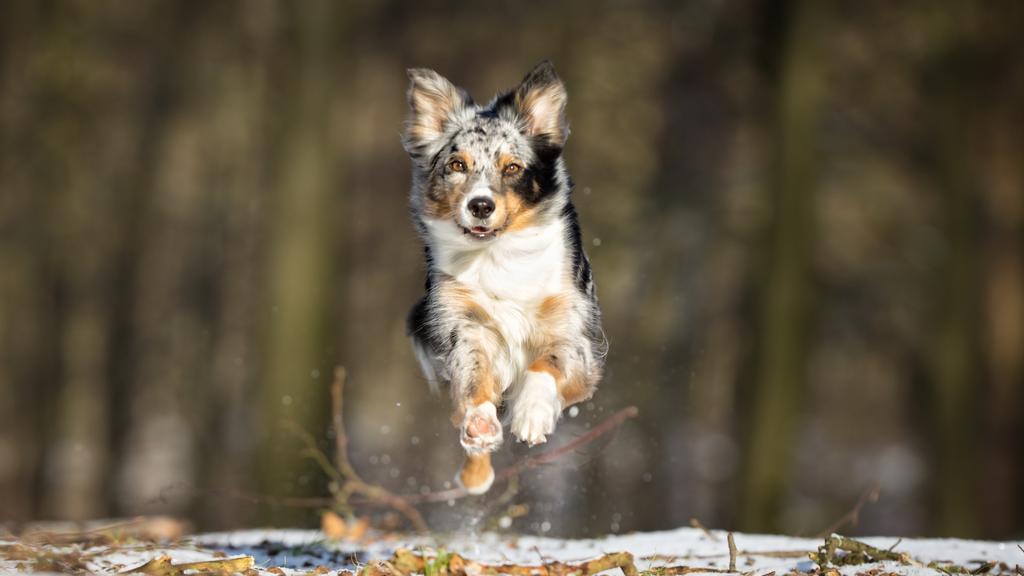
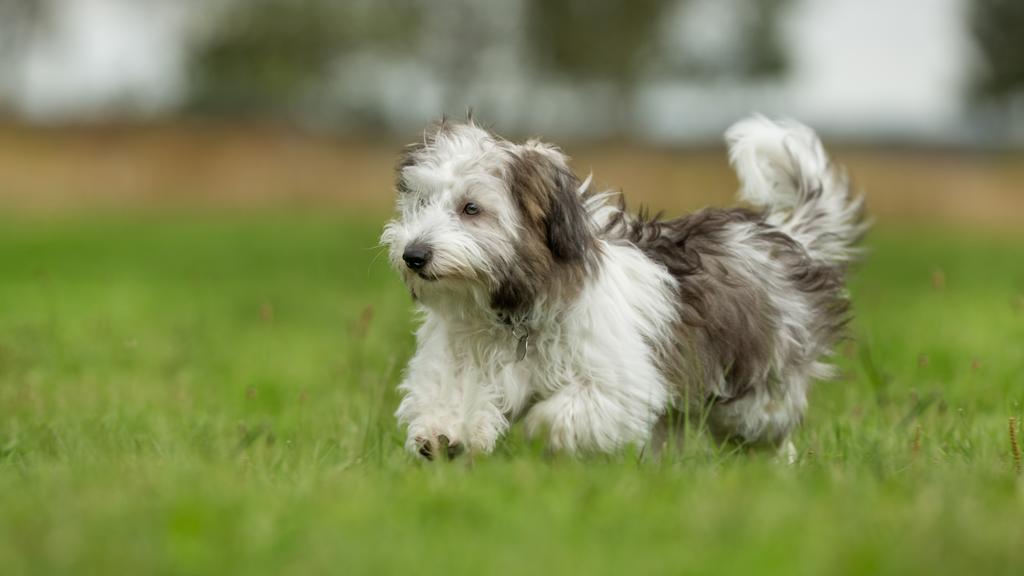
Additional content image
Adoption/Purchase

Adoption & Purchase Process

From research to home preparation, learn how to welcome your new pet. Cats often come from shelters or breeders, and dogs require careful breed consideration.

  • Research options
  • Visit shelters or breeders
  • Prepare your home
  • Complete paperwork

For dogs, adoption involves meeting potential pets, filling out forms, and puppy-proofing your home to ensure a safe environment for your new companion.

Additional content image
Early Life & Development

Infancy & Early Growth

The first weeks are vital—pets receive vaccinations, nutrition, and socialization that set the stage for a healthy life.

  • Vet checkups
  • Vaccinations
  • Socialization exercises
  • Nutrient-rich feeding

Puppies receive their initial vaccinations, deworming treatments, and begin training and socialization, laying the groundwork for a healthy adult life.

Additional content image
Juvenile/Adolescence

Growing Up & Testing Boundaries

Adolescence brings increased independence, behavioral changes, and the need for continued training. Spay/neuter and diet transitions are common during this stage.

  • Behavior changes
  • Spay/Neuter
  • Obedience training
  • Diet transition

Adolescent dogs start showing increased independence. Continued obedience training and socialization are crucial during this transition.

Additional content image
Adulthood

Prime Years: Health & Happiness

During adulthood, pets require routine care, proper nutrition, regular exercise, and mental stimulation.

  • Annual checkups
  • Balanced diet
  • Regular exercise
  • Continued training

In adulthood, dogs thrive on regular exercise, mental stimulation, and routine veterinary care, ensuring their long-term well‑being.

Additional content image
Senior Years

Senior Care: Comfort & Adaptation

As pets age, they require more frequent vet visits, joint care, and modifications in their home environment.

  • Frequent screenings
  • Modified diet
  • Joint supplements
  • Home adaptations

Older dogs benefit from joint supplements, a modified diet, and home adaptations such as ramps to help maintain mobility and comfort.

Additional content image
End of Life Care

Palliative Care & Aftercare

When a pet's quality of life declines, palliative care, compassionate decision-making, and aftercare support become essential.

  • Palliative care
  • Euthanasia considerations
  • Aftercare and memorial options

For dogs, end-of-life care involves managing pain with palliative treatments and making compassionate decisions regarding aftercare.

Additional content image