Need urgent help? Start triage first, then route to emergency care.

Care Roadmap

Pet Life Cycle

Practical guidance from early life through senior years. Choose your pet type, then open each stage for details.

7 stages for Cat

Origins

Origins & Early Socialization

Learn how kittens and puppies begin their lives. Kittens may be bred, rescued, or found as strays, while puppies are born in kennels or shelters.

  • Kittens: Bred, rescued, or stray
  • Puppies: Born in kennels or shelters

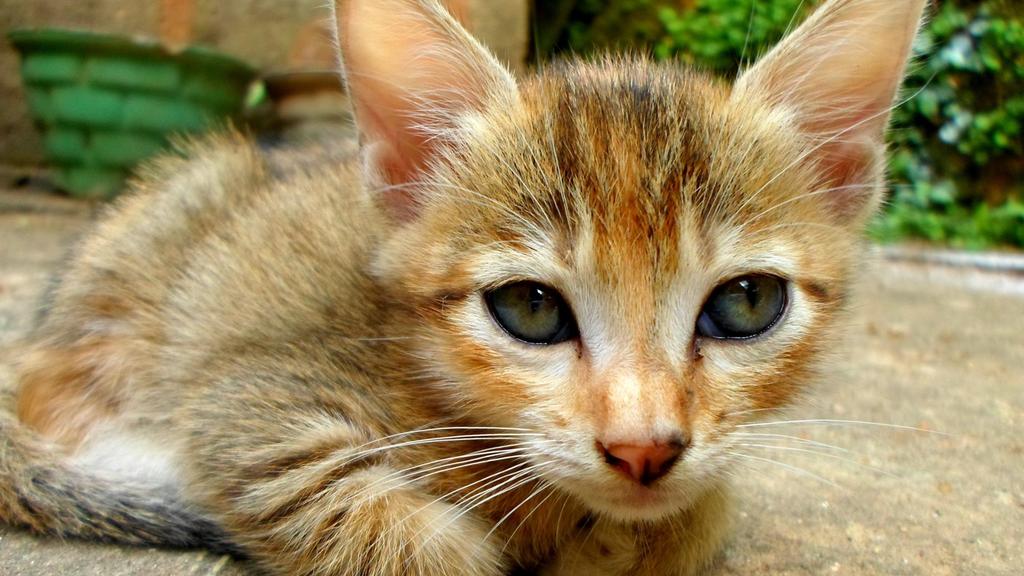
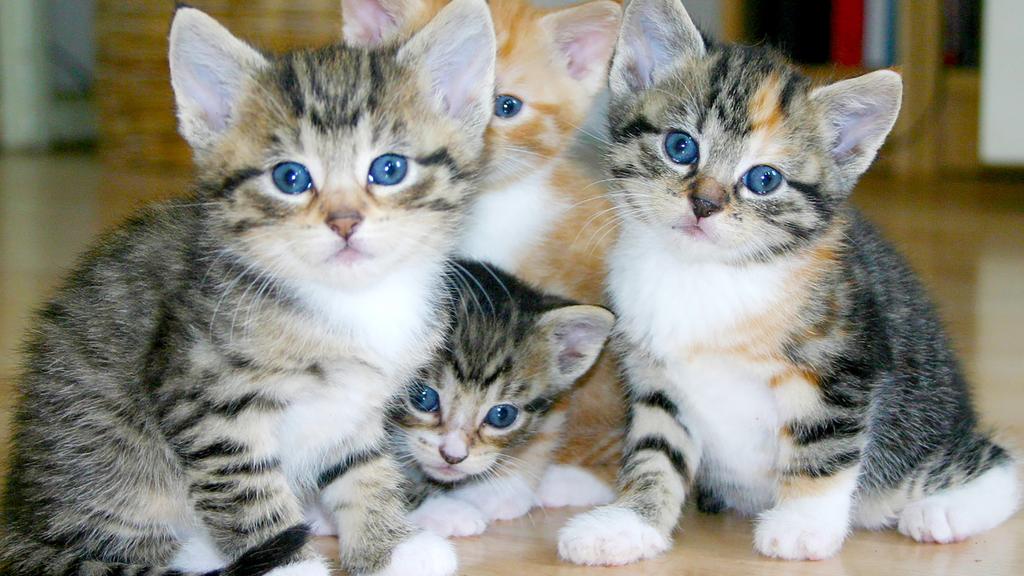
Cats can be born in a cattery, rescued from shelters, or found as strays. Early socialization is key for their lifelong well‑being.
Additional content image
Adoption/Purchase

Adoption & Purchase Process

From research to home preparation, learn how to welcome your new pet. Cats often come from shelters or breeders, and dogs require careful breed consideration.

  • Research options
  • Visit shelters or breeders
  • Prepare your home
  • Complete paperwork

The adoption process for cats involves researching shelters or breeders, preparing your home with essentials (litter box, scratching post, etc.), and building trust as the cat adjusts to a new environment.

Additional content image
Early Life & Development

Infancy & Early Growth

The first weeks are vital—pets receive vaccinations, nutrition, and socialization that set the stage for a healthy life.

  • Vet checkups
  • Vaccinations
  • Socialization exercises
  • Nutrient-rich feeding

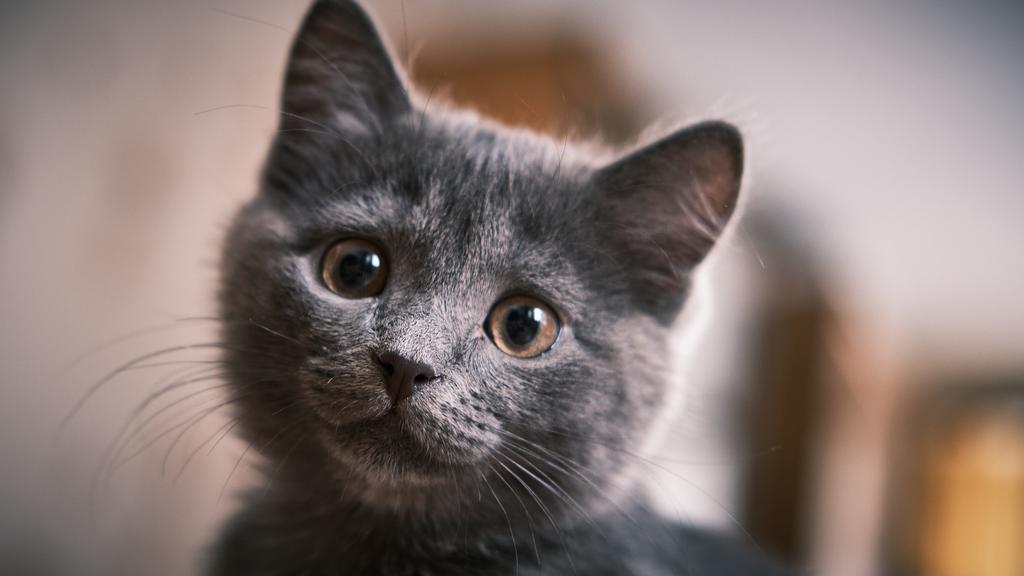
Infancy in cats is marked by vaccinations, early vet checkups, and socialization that helps them develop a friendly and confident demeanor.

Additional content image
Juvenile/Adolescence

Growing Up & Testing Boundaries

Adolescence brings increased independence, behavioral changes, and the need for continued training. Spay/neuter and diet transitions are common during this stage.

  • Behavior changes
  • Spay/Neuter
  • Obedience training
  • Diet transition

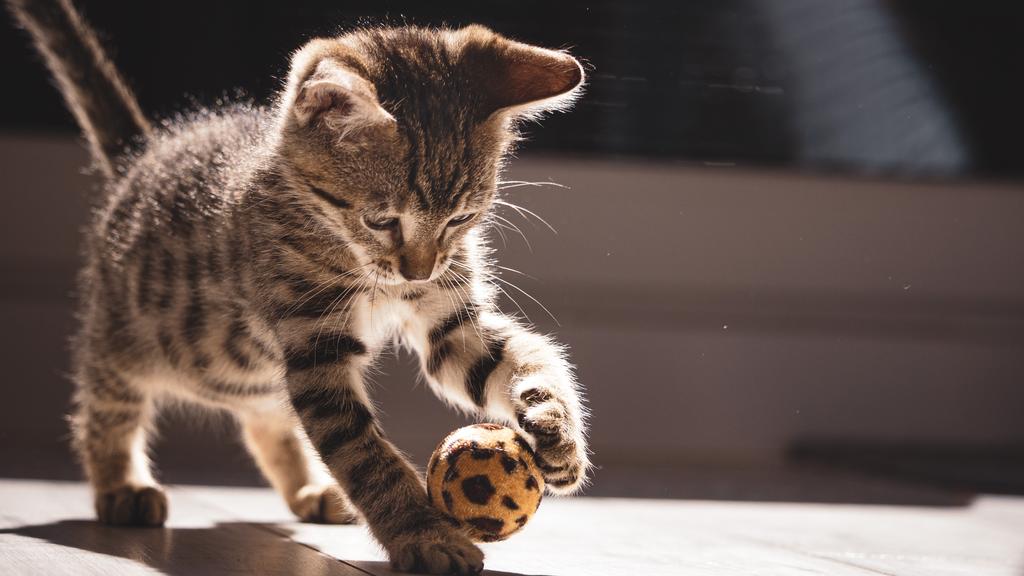
During adolescence, cats become more active and test boundaries. Spaying/neutering and continued socialization guide them toward adulthood.

Additional content image
Adulthood

Prime Years: Health & Happiness

During adulthood, pets require routine care, proper nutrition, regular exercise, and mental stimulation.

  • Annual checkups
  • Balanced diet
  • Regular exercise
  • Continued training

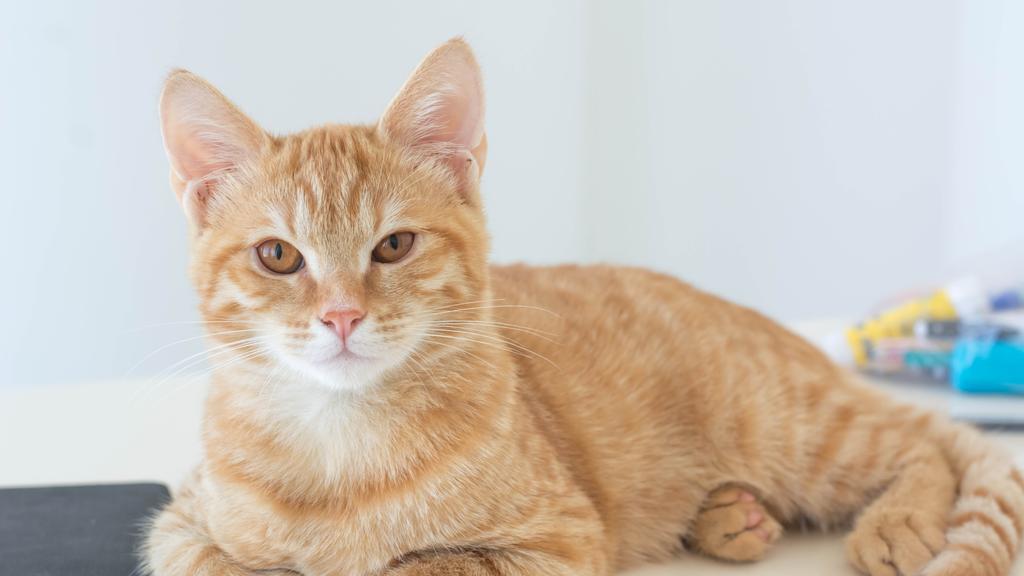
Adult cats enjoy their prime years. Routine vet checkups, a balanced diet, and regular play ensure they stay healthy and happy.

Additional content image
Senior Years

Senior Care: Comfort & Adaptation

As pets age, they require more frequent vet visits, joint care, and modifications in their home environment.

  • Frequent screenings
  • Modified diet
  • Joint supplements
  • Home adaptations

Senior cats may develop arthritis or other age-related conditions. Increased vet care and a tailored diet help maintain their quality of life.

Additional content image
End of Life Care

Palliative Care & Aftercare

When a pet's quality of life declines, palliative care, compassionate decision-making, and aftercare support become essential.

  • Palliative care
  • Euthanasia considerations
  • Aftercare and memorial options

End-of-life care for cats focuses on palliative measures, quality-of-life assessments, and compassionate aftercare options.

Additional content image